VSisters: Pakistan’s First Women-Only Ride-Hailing Service Transforms Commutes and Careers
Female-led transport ensures safety, dignity, and independence for Pakistani women

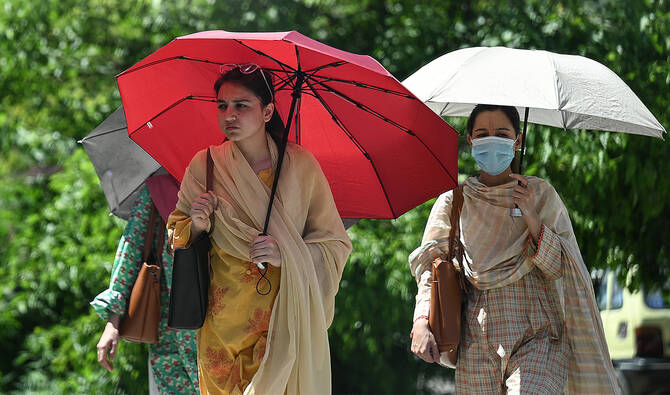
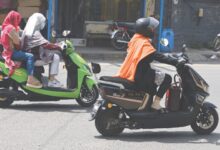
In Islamabad, where safe commuting options for women remain scarce, a motorbike with pink and white hues pulls up outside a house, and the rider is not a man but a woman. For 29-year-old working professional Aisha Umar, this is not just a ride — it is safety, dignity, and peace of mind. Launched in June this year, VSisters has quickly emerged as Pakistan’s first women-only ride-hailing service, designed to offer secure and affordable transportation exclusively for women. The service operates with both female drivers and passengers, filling a long-ignored gap in Pakistan’s ride-hailing market. Currently, VSisters is active in Islamabad, Rawalpindi, and Lahore with 464 registered female captains, and the platform has already completed over 3,500 rides. Founder Hassan Tariq said the idea was born after witnessing a woman publicly confronting harassment while riding with a male biker. This moment led him to create a platform by women, for women, with motorbikes provided by the company and cars driven by women owners. The service charges only a 10% share, far less than commercial ride-hailing apps, making it both affordable for passengers and profitable for drivers.
For many women like Aisha, the service is a game-changer. She said she feels more comfortable with female riders, who arrive within minutes, ride safely without speeding, and charge lower rates than other apps. With mainstream apps like Uber and Careem pulling out of Pakistan due to economic pressures, the market is dominated by inDrive, Bykea, and Yango — yet none address the unique safety challenges faced by women. According to surveys by UN Women and Aurat Foundation, nearly 90% of women in Pakistan report experiencing harassment while commuting, making VSisters’ entry into the market both timely and essential.
Beyond passenger safety, VSisters is empowering women financially. Captains like Uzma Ahmed, a 50-year-old divorcee and mother of three, have found independence and respect behind the wheel. Once a schoolteacher struggling to cover rent and school fees, she now drives her own car, supporting her family with pride. Similarly, bike rider and instructor Nadia Shehzad not only earns her living but also trains other women to ride bikes and use the app, creating a ripple effect of empowerment. Despite occasional harassment from men on the streets, she says the overwhelming support from female passengers keeps her motivated. Riders typically earn around Rs2,500 ($8.90) a day, which can add up to more than Pakistan’s monthly minimum wage.
VSisters is not without challenges. Lawyer and activist Nighat Dad has praised the initiative as a crucial step toward safer commutes and new economic opportunities for women, but she has also stressed the need for stronger digital safety. Currently, the app collects sensitive location and contact data without encryption, highlighting the urgency for better privacy protections in a country that still lacks a comprehensive data protection law.
Still, the service is rapidly expanding, with plans to launch in Karachi, Faisalabad, and Multan within weeks, and ultimately grow nationwide. For women like Aisha, Uzma, and Nadia, VSisters is more than an app — it is a symbol of empowerment, a safer commute, and a step toward equality on Pakistan’s roads. It is proof that with innovation and courage, solutions can be created for challenges long ignored.