Karachi Floods Expose Governance Failures and Gendered Risks
As monsoon rains paralyze the city, women bear the harshest impact of state neglect

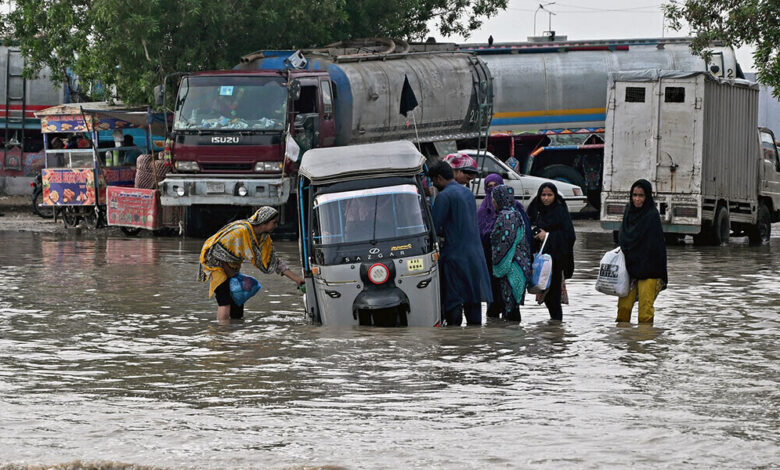
On August 19, just days after Pakistan’s 78th Independence Day, Karachi—the country’s largest city of 25 million—was brought to its knees yet again by torrential monsoon rains. Waist-deep water submerged roads, vehicles broke down, public transport vanished, and entire families were left stranded in a city that looked more like a river than a metropolis. At least 12 people lost their lives in rain-related incidents, a grim reminder of how fragile urban life becomes when governance collapses.
For men, the ordeal often meant long hours of frustration on choked streets. For women, however, the disaster turned into a nightmare of dignity, safety, and survival. In a society where working women already face scrutiny, being stranded in flooded streets without transport or protection becomes more than an inconvenience—it’s a threat. With dead phone batteries, power outages, and no reliable rescue or mobility options, countless women were left isolated in dangerous conditions.
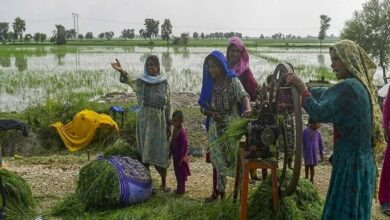
This crisis is not new. Every monsoon season, Karachi drowns, and every year the administration disappears when its citizens need it most. What is often overlooked, however, is the gendered dimension of this failure. Women from low- and middle-income households, reliant on public buses or rickshaws, are left abandoned when the city floods. In a patriarchal system that already restricts their movements, climate disasters only magnify their vulnerabilities.
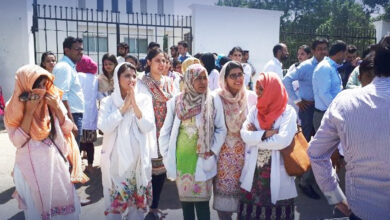
The issue is not confined to rural Pakistan or marginalized communities. Urban women—students, nurses, teachers, office workers—face the same dangers. For them, flooding is not just about losing time or mobility; it is about losing security. Walking through knee- or waist-deep water, navigating dark streets without electricity, or being stranded without transport exposes them to risks no one should have to endure.
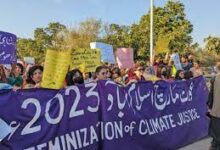
The August 19 floods should not be seen as an isolated natural disaster. They are the result of a deadly intersection between climate change, weak governance, and entrenched patriarchy. As global warming intensifies, extreme weather events will only grow more frequent and more destructive. Without structural reforms in urban planning, drainage systems, and disaster response, Karachi’s women will continue to bear the heaviest burden of this failure.
The floods are a warning: climate change does not act in isolation. It collides with social inequalities and state negligence, turning natural events into humanitarian crises. Until Pakistan begins to address both its governance crisis and its systemic gender disparities, every monsoon will be less about rain and more about the state’s inability to protect its people—especially its women.