Woman Married for 35 Years in India Faces Deportation Amid Blanket Order on Pakistani Nationals
Deep fear and heartbreak as Sharada Kukreja, 53, fights to stay with her family after decades of living in India.

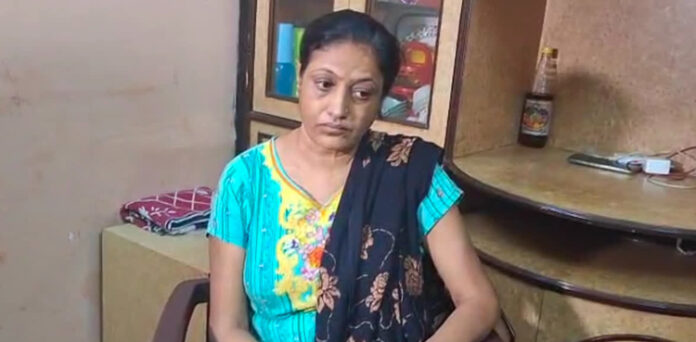
BALANGIR: In a deeply emotional and heartbreaking situation, Sharada Kukreja, a 53-year-old woman who has lived in India for over three decades, now faces deportation under the Indian government’s new directive to expel Pakistani nationals.
Originally from Sukkur, Sindh, Sharada migrated to India in 1987 with her family on a 60-day visa. She soon married Mahesh Kukreja, a bangle trader, and built her entire life in Odisha’s Balangir district. Now, after 35 years of marriage, children, and grandchildren, she is being asked to leave the only home she has ever known.
Breaking into tears as reporters surrounded her, Sharada pleaded, “I have lived as an Indian. My family is here. I have no connection with Pakistan. Please, don’t separate me from my family. I want to live here till my last breath.”
Despite holding an Aadhaar card and reportedly voting in elections, Sharada has faced endless bureaucratic hurdles in her attempts to gain Indian citizenship. Each application was met with silence or rejection, and now, time has run out.
The deportation notice, issued by the Balangir Superintendent of Police, states that all visas for Pakistani nationals — except medical, long-term, diplomatic, and official visas — stand revoked from April 27, 2025. With no valid long-term visa, Sharada’s deportation order looms.
Her son, speaking with visible anguish, said, “We have tried everything. She has no family left in Pakistan. She belongs here. How can they expect her to leave everything behind?”
Sharada’s sister, settled in Chhattisgarh, also faces a similar fate, adding another layer of despair to the family’s ordeal.
As the government’s exit deadline expires today, many Pakistani nationals across India are rushing through the Attari border to return. But for families like Sharada’s, who have built lives entirely on Indian soil, the pain of separation cuts far deeper.
The situation leaves urgent questions: Where does compassion end, and where does policy begin? And what happens to those who, for all intents and purposes, are Indian in every way except on paper?