Exposing the Change-Catalysts: The Significant Impact of Non-Governmental Women Organisations on Pakistani Society

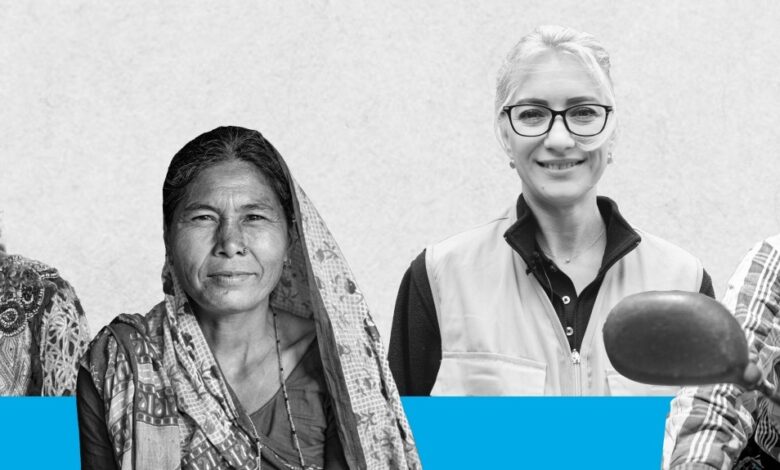
Non-Governmental Organisations (NGOs) have become significant global change agents, putting forth endless effort to solve social issues and promote advancement. NGOs have assumed the role of change agents in Pakistan, a nation battling a wide range of problems. They have provided creative solutions and have been instrumental in forming a brighter future. This article explores the diverse ways that non-governmental organisations (NGOs) effect transformative change in Pakistani society, emphasising the different roles that these organisations play in promoting good advancement.
Consciousness and Promotion:
Increasing public awareness of important social issues that are frequently ignored is one of NGOs’ main responsibilities. In Pakistan, NGOs provide information on important issues like healthcare, gender equality, education, and human rights. Through their workshops, seminars, and campaigns, these organisations inform decision-makers and the general public about the need for change. They represent underrepresented groups by giving people who have been disregarded by the majority of society a voice.
Building Capacity and Empowering Others:
NGOs give people the tools and resources they need to better their lives, empowering them in the process. NGOs provide workshops, skill development programmes, and vocational training to help people become self-sufficient and boost the local economy. As people who are lifted out of poverty and unemployment go on to become good change agents in their communities, this empowerment has a knock-on impact.
Building Infrastructure:
In order to overcome Pakistan’s infrastructural deficiencies, NGOs have been crucial. They actively take part in building public infrastructure, including roads, bridges, and amenities, especially in isolated and underdeveloped areas. The local populace benefits from improved accessibility, connectedness, and general quality of life as a result of infrastructure development.
WASH and the Structure of Dams:
Initiatives related to Water, Sanitation, and Hygiene (WASH), which are essential for enhancing public health, are frequently led by NGOs. They also support and carry out water management initiatives that promote sustainable development by producing power in addition to aiding with water storage. Working on small and medium-sized dams is crucial for the development of the agriculture industry, environmental preservation, and the energy sector.
Monetary Reduction:
In Pakistan, poverty continues to be a serious problem. NGOs carry out a range of projects aimed at reducing poverty, such as livelihood support, vocational training, and microfinance. Through these initiatives, marginalised communities can escape the poverty cycle.
Provision of Skills and Livelihood:
NGOs provide education and skill-building opportunities to provide people the tools they need to launch their own companies or find jobs. This gives both adults and children the ability to become self-sufficient.
Development of Youth:
Youth engagement is essential to Pakistan’s future. NGOs work on youth development initiatives that emphasise education, developing young people’s sense of social responsibility, and providing leadership opportunities.
Support for the Energy Sector:
Economic progress in Pakistan has been severely hampered by the country’s energy crisis. NGOs have worked on electrification of distant places, renewable energy projects, and advocating for sustainable energy alternatives.
Food Safety:
NGOs are putting agricultural and food distribution programmes into place in an effort to guarantee food security. They support the use of sustainable farming methods and provide wholesome food to underprivileged people.
Development of the Economy:
The decrease of poverty is intimately related to economic progress. NGOs promote entrepreneurship, create jobs, and cultivate an atmosphere that supports the expansion of businesses in order to promote economic development.
Support for Human Rights:
NGOs actively promote human rights, emphasising causes like minority rights, gender equality, and children’s rights. They strive to end injustice and discrimination, raise awareness, and offer legal assistance.
Children Not in School and Education:
Increasing school enrollment and lowering the number of children who are not in school are the goals of NGOs. They create schools, offer scholarships, and push for laws that support everyone’s access to education.
Care for Orphans and Widows:
NGOs ensure that vulnerable populations, such as widows and orphans, have dignified lives by offering them housing, healthcare, education, and psychological support.
Reforms in Education:
One of the main pillars of society advancement is education. NGOs are involved in pushing for curriculum improvements, education reforms, and raising the standard of education in Pakistan as a whole. In order to address Pakistan’s education deficit, NGOs have been crucial. For youngsters from disadvantaged backgrounds, they build schools, offer scholarships, and produce educational resources. By raising literacy rates, particularly among girls, these initiatives have helped create a society that is better informed and educated. Additionally, NGOs influence government actions in the education sector by advocating for policies and reforms in this area.
Medical Care and Wellness:
Pakistan’s healthcare system has many obstacles, such as poor infrastructure, scarce resources, and restricted access. NGOs intervene by establishing clinics on wheels, awareness campaigns, and healthcare facilities. They assist prevent and manage diseases by offering medical care in isolated places. NGOs are essential in enhancing the general health and well-being of the populace by tackling healthcare inequities.
Disaster Assistance and Adaptability:
Natural catastrophes including earthquakes, floods, and droughts are common in Pakistan. NGOs are frequently in the forefront of relief and reaction to disasters. They offer impacted communities emergency support in the form of food, shelter, and medical care. NGOs also execute disaster preparedness programmes and promote policies that lessen the effect of future disasters as part of their efforts to increase resilience.
Empowerment of Women and Gender Equality:
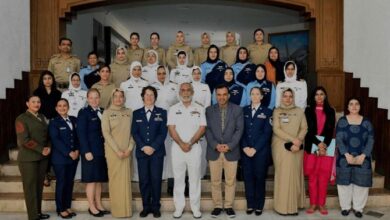
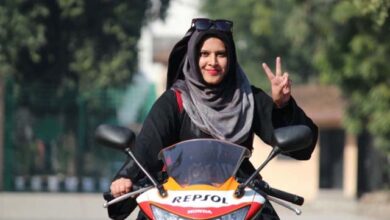
NGOs have a major role in Pakistan’s battle for gender equality. They oversee initiatives that provide women political, social, and economic clout. NGOs help to dismantle traditional gender norms and advance women’s rights by offering legal assistance, awareness campaigns, and vocational training.
Preservation of the Environment:
In Pakistan, environmental degradation is a major problem. NGOs actively participate in environmental conservation initiatives, which range from encouraging sustainable activities to planting trees. They support laws that safeguard natural resources and spread the word about how crucial it is to conserve the environment for coming generations.
Closing Divides and Promoting Social Cohesion:
NGOs try to heal cultural, religious, and ethnic gaps in a country like Pakistan. They establish forums for discussion, cross-cultural interaction, and cooperative initiatives that foster mutual respect and understanding between various communities. Maintaining societal harmony and cohesion depends on this job.
Sum Up
In Pakistan, non-governmental organisations (NGOs) serve as rays of hope, contributing significantly to the advancement and improvement of numerous aspects of society. By raising awareness, advocating for change, developing capacity, and empowering people, these organisations tackle urgent problems and work towards a better future. They are essential allies in the quest for a more affluent, just, and equitable Pakistan because of their ceaseless efforts and creative solutions. The crucial role that non-governmental organisations (NGOs) play makes it clear that their mission extends beyond effecting change; it also involves influencing the structure of society itself for future generations.