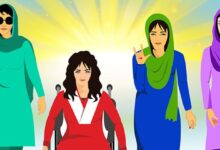
Women Rights in Pakistan Have Been Undermined By an Atmosphere of Intolerance and Impunity

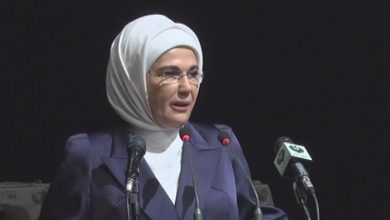
Renowned Pakistani human rights attorney and women’s rights advocate Hina Jilani reacts to the study and explains why she is still hopeful that the legal system can help accomplish women’s protection and political empowerment:
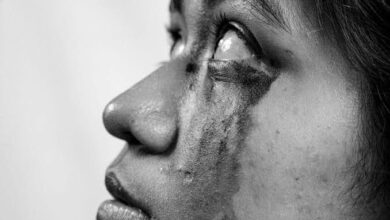
“In Pakistan, women have significant, structural challenges. The issue of violence is also the most fundamental. The extremely disjointed legal system regarding violence against women is one of the main issues. Furthermore, there aren’t any suitable enforcement measures in place. For example, the victim is always the one who has to bear the weight of prosecution. How much work can a marginalised and disempowered woman like her put into that kind of litigation? Many cases are abandoned because the victim is just too worn out.
Although there has been some excellent family law legislation since 1961, the state has always expressed regret for it. This is a recurring theme in Pakistan: the atmosphere that has been fostered around the issue of women’s rights prevents any real commitment to enforcing the laws that are in place.
This was purposefully founded in the 1980s by the military government, which was utilising Islamic organisations to combat the Russians in Afghanistan.
Since then, these religious groups have benefited from a disproportionate amount of power and influence in decision-making. This lobby gathers every time a new concept or plan pertaining to women’s rights is brought up, and it fights and challenges it.
The legislature is scared of the current political atmosphere of bigotry and impunity, but they are generally not against passing decent laws.
However, when rules are applied rigorously, they become tools for social transformation. One such is the former legislation regarding “illicit relationships,” which refers to partnerships between single men and women. This was incorporated into the Islamization process in the 1980s. It meant that a large number of women were incarcerated and frequently spent three or four years inside without ever being found guilty. After 25 years of opposition from the women’s movement, the law was eventually changed. Even if the reform was not perfect, it had a significant impact on the reduction of the number of women incarcerated.
Additionally, as democratisation and women’s political empowerment go hand in hand, we can highlight advancements in this area. Whatever progress has been made towards democratising practices, policies, and the culture of our institutions has benefited women.
Political parties were forced to fill seats in the 2004 parliamentary elections on a proportionate basis, with a special focus on women. Women also felt a sense of obligation throughout their five years in the house, believing they had to prove themselves. They accomplished a great deal for human rights as well as women’s rights. Almost all human rights legislation was really introduced by women, regardless of the political party they belonged to, according to the 2012 Human Rights Commission study.
This is a crucial point: in spite of all the challenges they face, women can and will achieve secure advancement on their own. Women in this country still have optimism and have come a long way in the last 25 years, despite all the challenges we face. This is because of the robust civil society and the highly significant women’s movement. Not the courts or governments, but this movement has been responsible for all that we have been able to accomplish.
Pakistani women are protesting against the political, social, and religious establishments and calling for reform. All religious women experience comparable issues. There has been no progress in addressing the pervasiveness of violence.
The international world shouldn’t be defensive or apologetic in an attempt to avoid upsetting societal or religious customs if they truly wish to assist these women. We are saddened by that. We don’t need to apologise for who we are. We are a member of this community. When the world community apologises, it confuses the public and makes it more difficult for domestic forces to convey our message clearly.