Women Versus Pakistan The Fight Against Period Tax
A young lawyer’s bold move challenges Pakistan’s discriminatory taxes on sanitary pads, sparking a national conversation on dignity, equality, and menstrual justice.

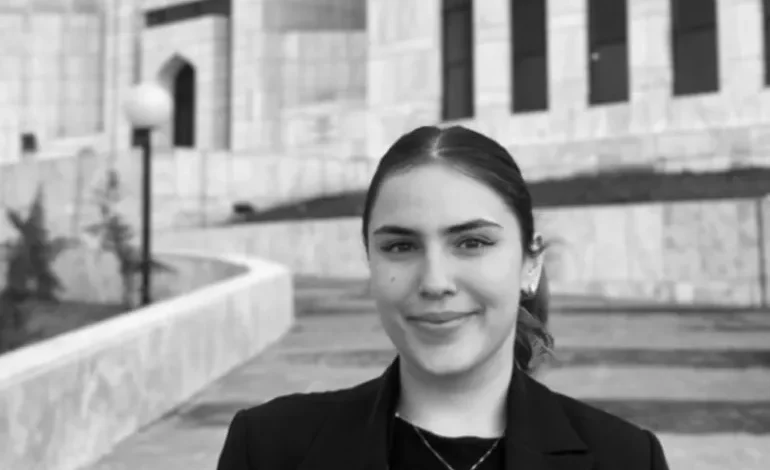
Growing up in Rawalpindi, Mahnoor Omer remembers the shame that surrounded menstruation. Like many schoolgirls, she hid her sanitary pad up her sleeve, afraid of being ridiculed. Talking about periods in class was unthinkable. Teachers often silenced girls, and even parents saw pads as unnecessary luxuries. That silence, she realized, was not just cultural—it was economic.
Now 25, Omer is turning that silence into a movement. This year, she filed a petition in the Lahore High Court challenging Pakistan’s so-called “period tax.” Under the Sales Tax Act of 1990, the government charges 18% sales tax on local sanitary pads and 25% customs duty on imported ones, pushing prices out of reach for millions of women. For a country where the average monthly income is around $120, a pack of pads costing 450 rupees ($1.60) becomes a burden. Remove the taxes, and the cost could drop by nearly half—changing lives across the nation.
According to UNICEF and WaterAid, only 12% of Pakistani women use commercial sanitary products. The rest rely on cloth or other unsafe materials, often without access to clean water. For many, menstruation means missing school or work. Omer’s petition argues that the tax discriminates against women and violates Pakistan’s constitutional guarantees of equality and social justice.
Her cause has drawn support from activists like Hira Amjad, founder of the Dastak Foundation, who says affordability is not just a financial issue—it’s about dignity. “In most homes, men control the spending,” she says. “If sanitary pads are seen as an unnecessary expense, women suffer in silence.” Removing the tax could mean more girls staying in school, better hygiene, and a shift in how society views women’s health.
Another voice in this movement is Bushra Mahnoor, founder of Mahwari Justice, a student-led group working to normalize conversations around menstruation. Her team has distributed over 100,000 period kits containing pads, soap, and painkillers to women in flood-hit areas. They also use creative campaigns like rap songs and comics to break the taboo. “When you say the word ‘mahwari’ out loud,” she says, “you’re teaching people it’s not shameful—it’s just life.”
For Omer, this fight began long before the court petition. At 16, she and her friends raised funds through bake sales to distribute “dignity kits” in low-income neighborhoods. Later, as a law clerk at the Supreme Court, she met lawyer Ahsan Jehangir Khan, who encouraged her to challenge the discriminatory tax legally. Together, they filed the petition—one that could redefine menstrual rights in Pakistan.
Khan describes the case as a matter of justice, not just taxation. “It’s a tax on a biological function,” he says. “Men don’t face it, so why should women?” He believes Pakistan’s male-dominated policymaking has ignored women’s realities for too long.
Beyond affordability, Omer’s initiative touches on deeper issues of equality, climate resilience, and women’s health. Activists argue that during disasters like the 2022 floods, women suffered immensely due to lack of menstrual products. Many had no privacy, safety, or hygiene. They also call for sustainable, biodegradable pads and paid menstruation leave for working women.
Despite initial hesitation from her parents, Omer says they now support her fully. “They understand why this matters,” she shares. Her legal fight has already sparked national debate and could lead to lasting change. For her, it’s more than a case—it’s a movement for justice, dignity, and women’s rights.
“When I think of this case, it’s not a courtroom I picture,” Omer says. “It’s a feeling of justice—a reminder that women should never have to pay a price for being women.”