Pink Ribbon: Pakistan’s Silent Crisis
Breast cancer awareness in Pakistan needs more than campaigns—it demands empowerment, access, and breaking the silence that costs thousands of women their lives each year.

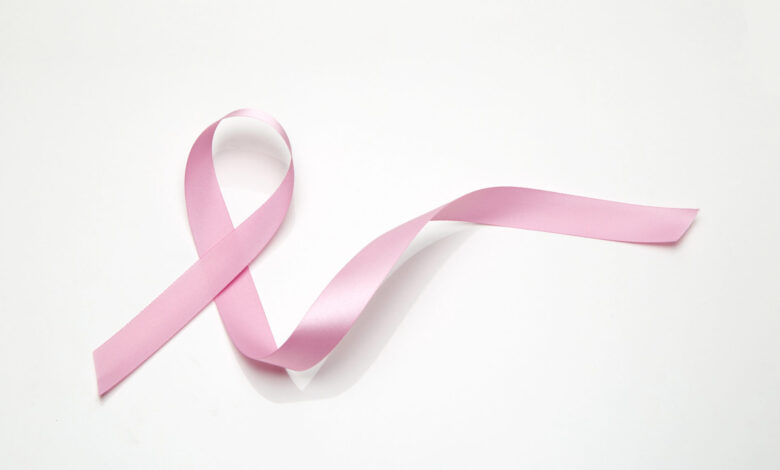
Every October, Pakistan turns pink—billboards, ribbons, and awareness walks remind women to “get checked.” The message is powerful, but awareness alone isn’t saving enough lives. Without addressing the cultural and structural barriers that keep women from seeking care, these campaigns risk becoming symbolic gestures.
Pakistan has the highest breast cancer rate in Asia—one in nine women will face the disease in her lifetime. Each year, over 90,000 new cases are reported, and nearly 40,000 women die. Behind these numbers lie deeper issues: stigma, limited access, and a culture that often silences women about their own health.
In many households, the female body remains a forbidden topic. Speaking about breasts is seen as shameful, making it difficult for women to discuss symptoms or seek early diagnosis. Many hesitate to perform self-exams or visit doctors due to embarrassment or fear of being judged. Others delay care until the disease has advanced, often relying first on spiritual or herbal remedies because they’re more socially acceptable.
Doctors across the country see a heartbreaking pattern—patients arriving too late. Not because they don’t care, but because shame, modesty, and social expectations keep them silent. In a society where women often need permission to seek medical help or spend money on treatment, survival becomes a matter of privilege.
Compared to Western nations, where early detection and screening have reduced breast cancer deaths by nearly 40 percent, Pakistan’s healthcare system lags behind. Mammography facilities are concentrated in big cities, leaving rural women with almost no access. Even when equipment exists, the shortage of trained female technicians discourages many from getting screened.
The average age of breast cancer diagnosis in Pakistan is around 51, nearly a decade earlier than in the U.S. Experts link this to genetics, poor nutrition, obesity, and pollution—but the larger problem is a system that fails to prioritize women’s health. Most public hospitals lack proper cancer screening units, and treatment costs are far beyond the reach of low-income families.
Institutions like Shaukat Khanum and Bait-ul-Sukoon offer free or subsidized care, yet they can only help a fraction of those in need. Many women simply never make it to these hospitals. When healthcare is a privilege and modesty a barrier, awareness campaigns cannot succeed on their own.
Real change requires more than pink ribbons—it needs a cultural shift. Pakistan can learn from countries like Malaysia and Thailand, where breast health campaigns are embedded into community programs. They combine mobile clinics, religiously sensitive education, and female-led outreach to make screening more accessible and acceptable.
The first step must be conversation. Families, schools, and mosques should normalize discussions about women’s health. Men need to be part of the dialogue, since they often control healthcare decisions at home. The media should move beyond symbolic gestures and push for better policies, funding, and inclusion of breast health in public care systems.
Breast cancer in Pakistan is not just a medical issue—it’s a reflection of gender inequality and silence. Awareness is important, but empowerment and access are what save lives. When Pakistan starts treating women’s health as a right, not a privilege, pink won’t just be a color of awareness—it will represent hope and survival