Women on Motorcycles Redefining Urban Mobility in Lahore
Economic need, safety, and independence fuel a cultural shift for women riders in Pakistan

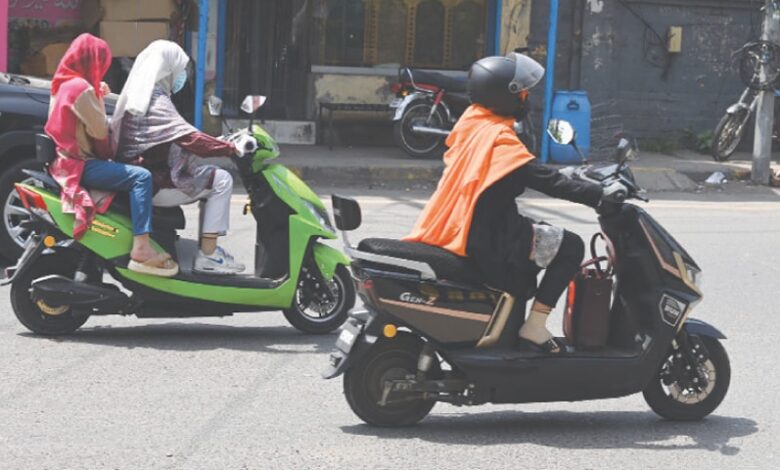
In Pakistan’s major cities, the sight of women riding motorcycles has become increasingly common, reflecting a quiet yet powerful shift in urban mobility. From university students to working professionals, two-wheelers are no longer just affordable transport options but symbols of safety, independence, and empowerment. Lahore, in particular, has seen a surge in women weaving confidently through traffic, often dressed in traditional attire, balancing studies, work, and family responsibilities on the road.
For many women, the choice is rooted in economics. With soaring transport costs, motorcycles present a practical solution. As one student put it, a daily rickshaw ride can cost up to Rs500, while fuel for her bike costs less than half. This financial relief, paired with the safety and autonomy of riding one’s own vehicle, has made motorcycles a lifeline for countless women navigating a male-dominated road culture. The alternative—public transport—remains riddled with harassment, with studies showing over 90 percent of women face some form of harassment while commuting. Against this backdrop, riding a bike is more than convenience—it is reclaiming control and dignity.
But independence is as strong a motivator as necessity. For women like Hiba Afzal, a student in Lahore, motorcycles mean the freedom to move without depending on male relatives or unreliable ride-hailing services. This wave of independence is also visible in the country’s booming electric vehicle (EV) market. Industry leaders report that 70 percent of e-bike buyers are now women, and overall sales have more than doubled within a year, with Lahore leading the demand. The government has taken notice, with its EV Policy 2025 reserving subsidies specifically for women, an institutional push to support female riders.
Efforts to normalize women on the roads are not new. The Punjab government’s Women on Wheels (WoW) programme once provided subsidized bikes and training to thousands of women, laying the groundwork for today’s growing confidence among female riders. Though the programme ended in 2019, its legacy lives on in the increasing acceptance women riders now experience. Where once women were met with stares and skepticism, today respect and recognition are slowly replacing surprise.
Still, challenges remain. Many women face family resistance, inadequate protective gear, and the constant risk of unsafe road conditions. Some adapt creatively, altering traditional clothing to ride safely, but systemic barriers persist. Training, awareness of traffic rules, and accessible safety equipment remain limited, leaving progress fragile. Without sustained government support and stronger institutional backing, mobility gains risk remaining isolated rather than widespread.
Trailblazers like Faryal Ashraf, Pakistan’s first aspiring female road racer, highlight both the progress and resistance women encounter. Barred from all-male clubs and formal races, she faces exclusion but continues to challenge stereotypes. Her message is clear: riding and racing are not gendered activities but skills to be nurtured and recognized. For her, every ride is a step toward changing perceptions and opening doors for other women.
Lasting transformation, however, requires more than individual determination. It calls for safer roads, gender-sensitive policies, corporate initiatives, and cultural acceptance. With stronger enforcement of traffic laws, investment in infrastructure, and long-term training programmes, women on motorcycles can shift from being exceptions to becoming a natural, everyday presence on Pakistan’s roads. In Lahore, their growing visibility is already reshaping the rhythm of the city, one ride at a time, proving that two wheels can carry not just individuals but the momentum of social change.