The Missing People of Balochistan: Families Demand Justice Amid Silence and Fear
Thousands have disappeared in Balochistan. Families, especially women, live in limbo—caught between hope, grief, and a fight for truth in the face of silence and denial.

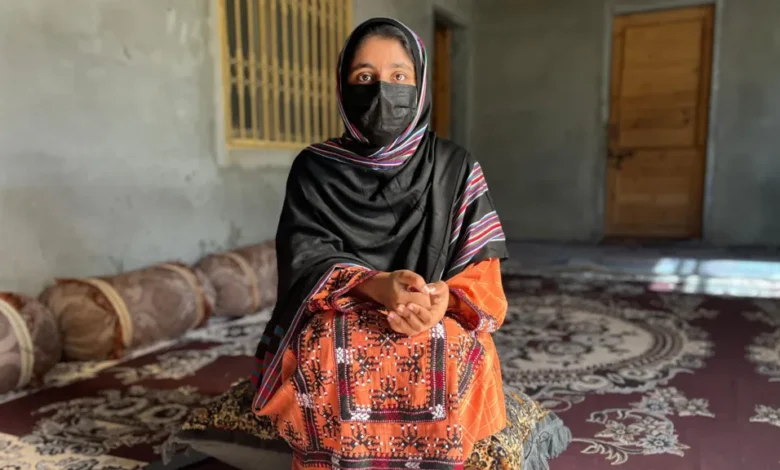
In the dim light of a morgue, 15-year-old Saira Baloch began a journey no child should ever take—searching for a missing brother among mutilated corpses. That first visit etched itself into her memory: sobs in the air, bodies scarred by torture, and a single, desperate hope—that she wouldn’t find him there. Seven years on, she still hasn’t.
Saira’s brother, Muhammad Asif Baloch, was arrested in 2018 during a counter-terrorism raid in Nushki, Balochistan. His family saw him on TV the next day, looking frightened and dishevelled. Authorities called him a fleeing terrorist; his family says he was on a picnic with friends. He hasn’t been seen since.
Saira’s story is tragically common in Balochistan—a region rich in resources but impoverished in rights and development. Activists claim thousands of Baloch men have vanished over the last two decades, allegedly taken by security forces as part of Pakistan’s crackdown on separatist insurgents. The state denies systematic disappearances, but families like Saira’s are left in limbo, searching for answers, or at least a body to bury.
Women, especially, carry the weight of this crisis. Mothers, sisters, and wives gather for protests, holding fading photographs of missing loved ones. They offer black tea and worn smiles to visiting journalists, their voices fragile but firm. They do not forget—and they do not stop.
For Saira, every protest is a stand against silence. “They want us to move on, to forget,” she says. “But how can we forget the people who made us whole?”
As unmarked graves continue to surface across Balochistan and hostages are taken in exchange for the missing, the demand is simple: tell us where they are. Dead or alive, we deserve to know.
In the barren, neglected lands of Balochistan, where hope is scarce and silence loud, one truth endures — the people will not disappear quietly. Their fight, led by the women, rages on.