Women Firefighters Blaze Trails in Karachi
Syeda Masooma Zaidi and her female colleagues are proving bravery knows no gender, tackling fires and emergencies in Pakistan’s largest city.


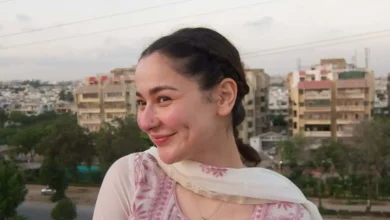
Thick black smoke rose over Karachi’s industrial zone last week as firefighter Syeda Masooma Zaidi raced toward a raging blaze consuming a storage facility filled with truck and car tires. The 23-year-old faced searing heat and choking smoke without hesitation, joining her male teammates to bring the inferno under control. Hours later, nearby factories were saved, no lives were lost, and onlookers cheered as firefighters emerged, faces streaked with soot.
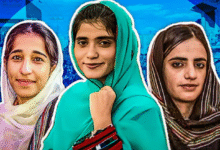
Zaidi represents a growing presence of women in Pakistan’s emergency services, a field long dominated by men. Women firefighters in the country were largely unheard of until 2024, following early pioneers like Shazia Perveen, who became Pakistan’s first woman firefighter in 2010 and now trains new recruits. In Sindh province, where Karachi is located, women began joining firefighting units after training in Punjab, and though they currently make up less than 1% of the force, numbers are expected to rise in Pakistan’s population of 255 million.
Most Pakistani women traditionally pursue careers as doctors, engineers, or teachers. Zaidi’s choice to join firefighting challenges societal expectations and demonstrates that women can excel in high-risk professions. Her chief fire officer, Humayun Khan, has praised her performance, while Dr. Abid Jalaluddin Shaikh, chief of the Sindh Emergency Service, noted that Zaidi is one of 50 women firefighters in the province, with another 180 training as rescue divers, ambulance medics, and emergency responders.
Zaidi graduated from the Punjab Rescue Service Academy, where she trained in high-angle rescues, industrial fires, and water emergencies. Despite her skills, she faces skepticism from some who doubt a woman’s ability to handle dangerous situations. “When we arrive, people say, ‘She’s a girl — how can she rescue anyone?’ Every time we save a life, we prove that women can also do this job,” Zaidi said.
Fellow firefighter Areeba Taj, also 23, recalled chaotic missions in Karachi where she and her colleagues saved lives under extreme conditions. Their supervisor, Ayesha Farooq, emphasized that women bring unique strengths to rescue work, particularly when victims include women and children. “By joining rescue services, they earn respect — for themselves, and for the country,” Farooq said.
Zaidi, who grew up with seven brothers and one sister, describes her motivation as courage, duty, and faith. Despite doubts from some quarters, she continues to demonstrate that gender is no barrier to bravery. Every mission strengthens the case for women in emergency services, proving that they can perform on par with their male counterparts.
As Karachi’s skyline cleared after last week’s industrial fire, Zaidi and her team returned to their station, prepared for the next emergency. Each day, Zaidi, Taj, and their female colleagues continue to reshape perceptions, showing that heroism knows no gender in Pakistan’s evolving firefighting landscape.