Enforced Disappearances Target Baloch Women Amid Rising Repression in Balochistan
Pakistan’s crackdown escalates as women activists in Balochistan face enforced disappearances, marking a dangerous new phase of human rights abuses in the restive province.

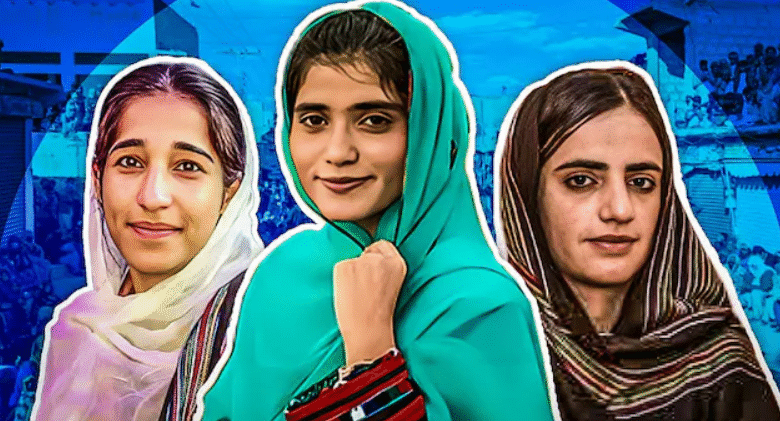
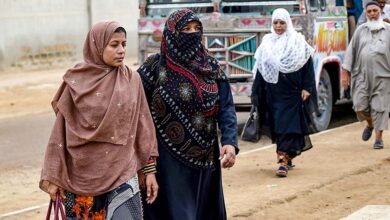
Enforced disappearances, a cruel tool long wielded by Pakistan’s establishment against Baloch men, children, and the elderly, have now expanded to target women in Balochistan. This marks a disturbing shift in the state’s repression as female activists and civilians increasingly face abduction and unlawful detention.
The recent disappearance of Mahjabeen Baloch, a 24-year-old university student, underscores this grim trend. Abducted from Quetta’s Civil Hospital in late May by security forces, Mahjabeen remains missing, her fate unknown. Her detention followed closely after her brother’s enforced disappearance during a night raid, deepening fears among Baloch families.
According to the Baloch Women Forum (BWF), the targeting of women reflects an alarming escalation in human rights violations in the province. Women, once relatively shielded by cultural norms, are now directly caught in the crossfire of Pakistan’s attempts to suppress the Baloch independence movement.
Enforced disappearance, as defined by the UN Office of the High Commissioner for Human Rights (OHCHR), is the unlawful deprivation of liberty by state agents followed by concealment of the victim’s fate. In Balochistan, many abductees remain missing for years, some for over a decade, while others’ bodies are later found in desolate locations, bearing signs of torture and execution.
Balochistan’s struggle stems from decades of grievances, including alleged exploitation linked to Pakistan’s control and major projects like the China-Pakistan Economic Corridor (CPEC). The military has repeatedly used disappearances to silence dissenters and alleged separatists, historically targeting men but now widening its reach.
The rise of women in protests and activism has made them new targets. Figures like Mahrang Baloch, a prominent leader of the Baloch Yakjehti Committee, have been arrested under charges of terrorism, sedition, and murder. Her detention in March signaled a new era where women face political persecution and gender-based threats.
The UN and human rights groups have condemned this crackdown. Amnesty International’s Pakistan coordinator highlighted how women challenging state narratives face intensified risks. The UN Special Rapporteur on Human Rights Defenders urged Pakistani authorities to end abuses under the guise of counter-terrorism.
The situation worsens as Pakistan’s internal security faces growing challenges, with increasing rebel activity shaking its grip on Balochistan. Former Prime Minister Shahid Khaqan Abbasi acknowledged the weakening control “especially after nightfall,” while military leadership doubles down on repression.
For families in Balochistan, repeated home raids, abductions, and the discovery of mutilated bodies in remote areas have become a tragic reality. The BWF and organizations like Voice for Baloch Missing Persons report thousands of enforced disappearances since 2004, with many cases unresolved.
The targeting of Baloch women is not just a violation of human rights but a direct assault on the social fabric of a community striving for justice and autonomy. As the Pakistani state widens its brutal campaign, international attention and pressure remain crucial to protect these women and demand accountability.
This new chapter of enforced disappearances demands urgent global awareness and action to stop the cycle of violence in Balochistan and uphold the dignity and rights of its people.