Advancing Women, Peace, and Security in Pakistan
Kainat Kamal urges inclusion of women in decision-making to make peace meaningful and lasting

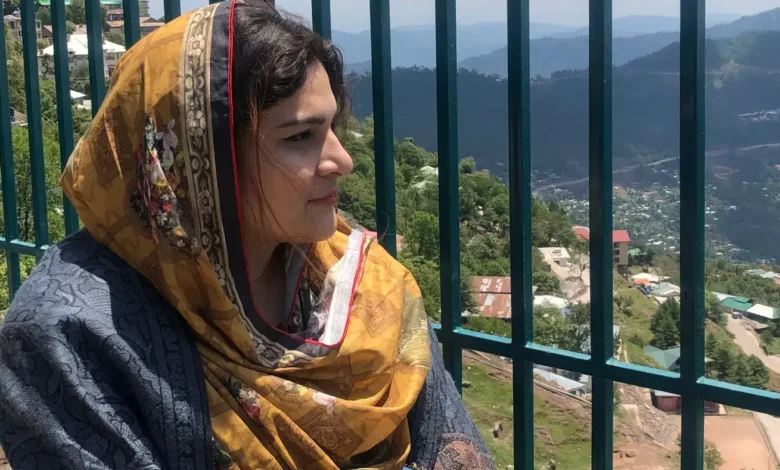
Kainat Kamal, a PhD scholar at the Centre for International Peace and Stability, NUST Islamabad, advocates for women’s voices in peace and security in Pakistan. She emphasizes that 25 years into the Women, Peace, and Security (WPS) agenda, women remain largely absent from critical decision-making spaces. Highlighting Pakistan’s historical milestone of electing the first female Prime Minister, Kainat points out the irony that women are still excluded from shaping peace policies, despite being active mediators and leaders in their communities. She stresses that peace without women, particularly Pashtun women from conflict-affected regions, is incomplete.
Her motivation stems from observing the stark contrast between women’s participation abroad and their restricted roles back home in Pashtun communities. She witnessed women managing families, resolving local conflicts, and sustaining communities without recognition or inclusion in broader societal decisions. Discovering the WPS framework gave her language to describe these realities and strengthened her commitment to advancing women’s rights in peacebuilding.
Kainat employs a unique approach she calls the “four A’s”: advocacy, activism, academics, and artistry. Advocacy enables her to amplify Pakistani and Pashtun women’s voices in policy and community spaces. Activism connects her with ground realities, ensuring practical change. Academic research ensures credibility and evidence-based strategies, while artistry—such as her origami pieces—makes abstract concepts relatable and humanizes peacebuilding. Her work at the Gen-Forum 2024 included an origami artwork titled Unity Blossoms: A Tribute to Collective Endeavours in Pursuit of Women, Peace and Security, symbolizing resilience and collective action.
For Pakistan, especially the Pashtun tribal belt in the Newly Merged Districts, participation is the most critical pillar of the WPS agenda. Traditional jirga councils continue to exclude women from decision-making, leaving perspectives of conflict-affected and marginalized women unheard. Kainat emphasizes that genuine participation goes beyond tokenism; it requires empowering women to actively shape peace and security policies. Pakistan’s involvement in UN peacekeeping missions and her department’s training of gender-sensitive peacekeepers shows potential, but sustained effort is needed to make women’s voices central to peace initiatives.
Kainat’s work demonstrates that recognizing, including, and empowering women is not only a matter of justice but also essential for sustainable peace. Only when women’s voices are visible and influential will Pakistan’s peacebuilding efforts be truly complete.