PECA Fails to Protect Women Journalists in Pakistan
Law intended to curb cybercrime instead enables technology-facilitated gender-based violence against women in media


Pakistan’s Prevention of Electronic Crimes Act (PECA), passed in 2016, was meant to shield women journalists from online harassment. Instead, it often facilitates technology-facilitated gender-based violence (TFGBV), leaving female reporters vulnerable to abuse and intimidation.
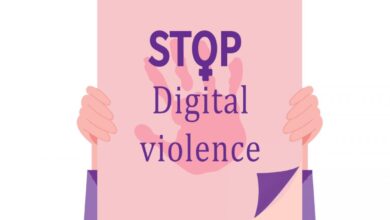
TFGBV, defined by the United Nations Population Fund, includes cyberstalking, hate speech, doxing, and defamation, often targeting women for their gender. Globally, 67 percent of women experience TFGBV, rising to 73 percent among women journalists. In Pakistan, where women make up just five percent of the journalist population, these attacks are deeply personal, targeting their bodies and sexuality rather than their professional opinions.
Veteran journalist Gharidah Farooqi revealed she frequently received rape and death threats, along with fake sexualized images shared online, tactics designed to humiliate and silence women journalists. Many others, including Ramsha Jahangir, reported stopping the promotion of their work after relentless online harassment, demonstrating how TFGBV can directly silence women’s voices.
While PECA was intended as a cybersecurity safeguard, human rights organizations argue that its vague language allows the government to suppress dissent, arrest journalists, and label critical reporting as “fake news.” Women journalists, often the primary targets of personal attacks, find themselves trapped between official harassment and online abuse, amplifying the effects of TFGBV.
Recent amendments to PECA, aimed at criminalizing the spread of “fake news” without clear definitions, could worsen the situation. Women journalists reporting TFGBV may now face legal action for “spreading false information,” with penalties including up to three years in prison. This discourages survivors from speaking out, leaving abusive behaviors unchecked and normalized online.
Experts warn that the law, rather than protecting women, is being weaponized against them. Journalists like Benazir Shah report that state officials’ accusations are often followed by coordinated online harassment from political supporters, further highlighting the law’s unintended consequences.
The situation illustrates a critical need for reforms: women journalists in Pakistan deserve a legal framework that genuinely protects their rights to freedom of speech and press, free from fear of violence or retaliation. Without changes, TFGBV will continue unchecked, and PECA will remain a tool that enables the very abuses it was designed to prevent.
Major reforms and clear protections are essential to ensure that women journalists can work safely, speak openly, and contribute fully to public discourse without fear of harassment or legal repercussions.