Pakistan’s Women: A Struggle for Rights Amidst Systemic Neglect
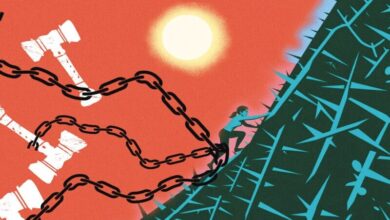
On International Women’s Day, the fight for equality remains an uphill battle.

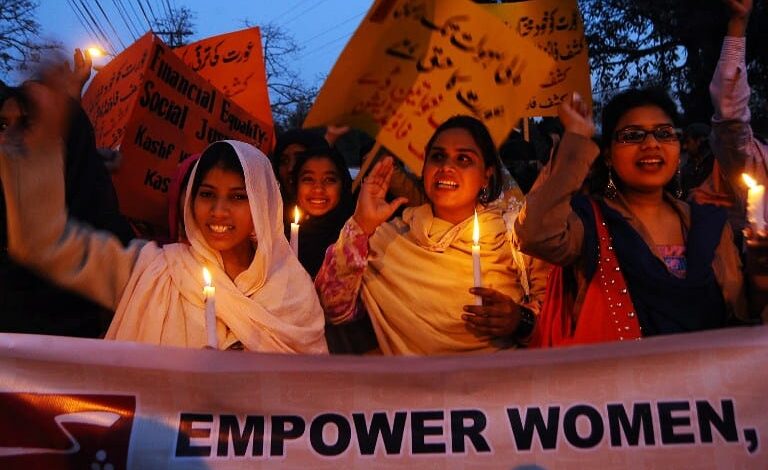
On International Women’s Day, while the world celebrates female achievements, millions of women in Pakistan, Afghanistan, and Gaza continue to battle oppression, violence, and systemic exclusion. In these societies, women are often made invisible—denied education, healthcare, employment, and safety, forced to exist in the shadows of patriarchal dominance.
Pakistan, despite its constitutional protections and international commitments, remains one of the most challenging places for women. The United Nations’ 2024 theme, ‘For ALL women and girls: Rights. Equality. Empowerment,’ holds particular significance here, where these ideals feel more like distant dreams than attainable realities.
The Unseen Crisis of Women in Pakistan
The systemic oppression of women in Pakistan is not just a social issue—it is a national crisis. The country’s failure to uplift women directly contributes to its economic, social, and political struggles. Yet, the ruling elite continues to turn a blind eye to the plight of half its population.
Despite legal reforms and policy commitments, the realities on the ground remain grim:
- 63,000 cases of violence against women were officially reported between 2021 and 2024, according to the Human Rights Ministry. Thousands more never come to light due to social stigma and fear.
- Pakistan ranks 142 out of 146 countries in the Global Gender Gap Index 2023, making it one of the worst-performing nations in gender parity.
- Female workforce participation stands at just 15.5%, according to the Labour Force Survey 2020-21, highlighting severe barriers to economic inclusion.
- Education remains a distant dream for many girls, with high dropout rates and deep-rooted cultural resistance to women’s schooling.
Defiance Amidst Darkness
Despite these grim statistics, Pakistani women refuse to be silenced. Activists, artists, and professionals continue to break barriers, proving that resilience thrives even in the face of institutional neglect.
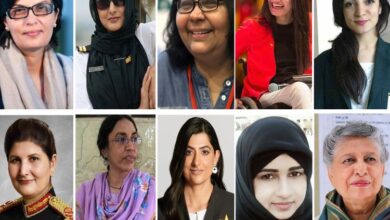
In 2024, Baloch rights activist Mahrang Baloch and singer Hadiqa Kiani were named among BBC’s 100 Women, while novelist Alishba Khan Barech became a finalist for the 2025 Women Changing the World Awards. These achievements are symbols of defiance against a system that consistently seeks to marginalize women.
Aurat March: The Voice of Resistance
The Aurat March 2025 is set to take place across multiple dates, reinforcing the movement’s commitment to challenging oppressive norms and amplifying feminist voices. The march’s vision extends beyond symbolic protests—it demands structural changes that ensure safety, opportunities, and dignity for all women.
A Moment of Truth for the State
Yet, Pakistan remains at a crossroads. The state’s patronage of reactionary forces has long obstructed progress. Without dismantling the deep-rooted culture of patriarchy and power, the struggle for gender equality will remain an uphill battle.
The question is no longer whether change is needed—it is whether the state will allow it to happen. The time for empty promises is over. Pakistan’s future depends on the freedom and empowerment of its women.