NATO Celebrates Scientific Excellence with Women & Girls in Science 2025 Challenge Winners
Twelve visionary finalists from 11 NATO Nations presented groundbreaking research proposals at NATO HQ in Brussels, driving innovation in defence and security.

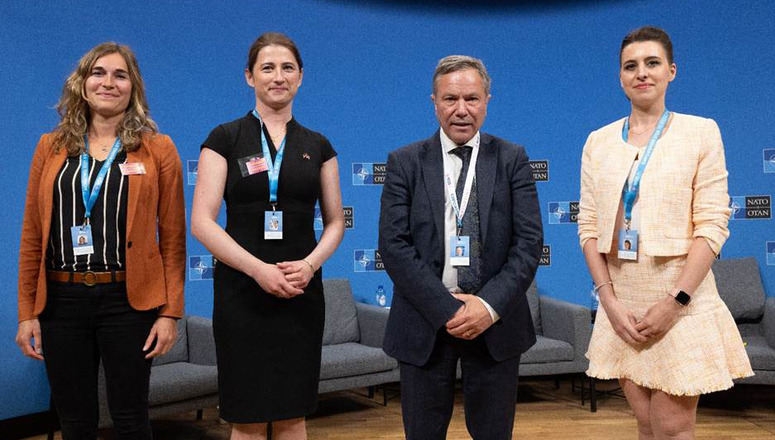
The NATO Science and Technology Organization (STO) has proudly announced the triumphant winners of its Women & Girls in Science 2025 (WGS25) Challenge, a pivotal initiative designed to champion and advance scientific excellence across the entire Alliance. The culmination of this inspiring endeavor, the WGS25 Finale, took place at the prestigious NATO Headquarters in Brussels on June 6, bringing together a remarkable group of 12 finalists. These exceptional individuals, representing 11 diverse NATO Nations, showcased their ingenuity by presenting compelling research proposals meticulously crafted to address some of the most critical and complex challenges facing global defence and security today.
This challenge stands as a testament to NATO’s unwavering commitment to fostering innovation and harnessing the full spectrum of talent available within its member states. The proposals presented by the finalists spanned a wide array of scientific and technological domains, reflecting the multidisciplinary nature of modern security threats. From advanced materials and artificial intelligence applications to cybersecurity solutions and environmental resilience strategies, each presentation offered a fresh perspective and a potential pathway to enhance the Alliance’s capabilities. The very essence of the WGS25 Challenge is to highlight the invaluable contributions of women and girls in science and technology, actively encouraging their participation in fields traditionally dominated by men, and thereby enriching the collective scientific prowess of NATO.
The initiative’s focus on defence and security challenges underscores the direct and tangible impact these scientific endeavors can have on real-world operational needs. The research put forth by these bright minds is not merely theoretical; it is designed to be actionable, offering innovative solutions that can strengthen the Alliance’s preparedness, responsiveness, and resilience in the face of evolving threats. By providing a platform for these budding and established female scientists, the NATO STO is not only celebrating individual achievements but also strategically investing in the future of its defence capabilities. The insights and breakthroughs generated through such challenges are critical for staying ahead in a rapidly changing geopolitical and technological landscape.
Beyond the immediate research outcomes, the WGS25 Challenge plays a crucial role in promoting diversity and inclusion within the scientific community dedicated to security. Encouraging more women and girls to pursue careers in science, technology, engineering, and mathematics (STEM) fields directly contributes to a broader talent pool, diverse perspectives, and ultimately, more robust and creative solutions to complex problems. A diverse scientific workforce is inherently more innovative, better equipped to anticipate challenges, and more representative of the societies it serves. This initiative by the NATO STO sends a powerful message about the Alliance’s commitment to leveraging all available intellect and creativity, irrespective of gender, to safeguard its values and ensure collective security for years to come. The success of the WGS25 Challenge finale marks a significant step forward in this vital mission, promising a brighter and more secure future driven by scientific excellence.