Heroes in Hijabs: How Pakistan’s Brave Women Are Defeating Polio in the Toughest Terrains
From slums to mountains, meet the fearless Pakistani women—survivors, bikers, doctors—leading national polio campaigns and building trust where it matters most: on the frontlines of eradication.

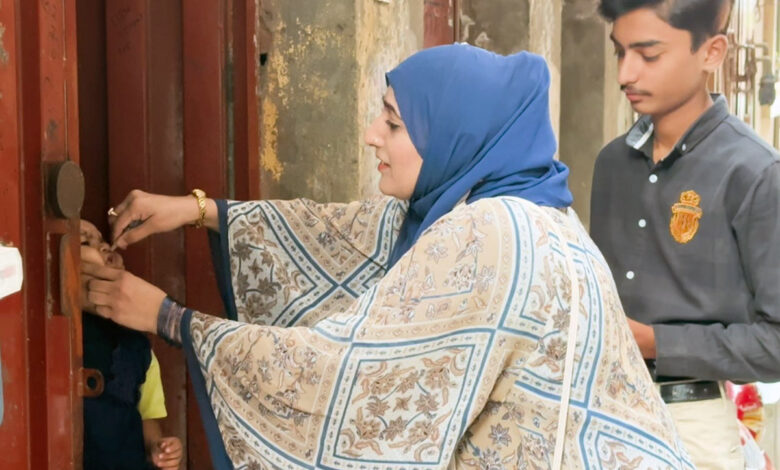
In Pakistan’s journey to eradicate polio, it’s the women on the frontlines who are turning the tide. These unsung heroes, working in remote villages and urban slums, are challenging societal norms, navigating dangerous terrain, and breaking barriers to protect the country’s most vulnerable children.
One of these trailblazers is Ayesha Raza—a polio survivor who contracted the virus at age two, during a time when Pakistan lacked an organized vaccination program. Today, Ayesha walks with difficulty due to paralysis in her left leg, but that hasn’t slowed her down. Based in Lahore, she now works as a vaccinator and social mobilizer, knocking on doors and urging parents to immunize their children. Her dedication was honored globally at the 2024 Islamic Development Bank’s Golden Jubilee Ceremony, recognizing her as a symbol of resilience and hope. “I may struggle to walk, but I never miss a campaign. My goal is to help every child walk freely,” Ayesha says.
In the southern district of Lakki Marwat, another story of courage unfolds. Pashtun women Bakht Roza and Basmina ride motorbikes into isolated areas where few health workers dare to go. Under the Nomads Vaccination Initiative, they reach nomadic families who move frequently and often miss vital vaccinations. Despite falls, rough terrain, and cultural pushback, these two women have vaccinated over 2,800 children and convinced 200 families who initially refused immunization. “These children are like our own. We can’t let them fall through the cracks,” says Bakht Roza. Their efforts have also extended to vaccinating pregnant women who previously lacked access to female health workers.
Further south in Karachi, Dr. Sarwat Wajahat Sheikh is fighting a different battle—detecting the hidden spread of polio in dense urban areas. As a WHO Disease Surveillance Officer, Dr. Sarwat has transformed how cases are tracked in the Malir district. She increased surveillance sites from 43 to 93 and trained over 150 community informants to spot early warning signs. Her biggest challenge came in 2024, when a suspected polio case emerged in Ibrahim Hyderi, a coastal slum. The affected child had died, and the family was initially unwilling to cooperate. Dr. Sarwat spent weeks building trust with the parents, ultimately enabling sample collection and confirming the first polio case in the area in over a decade. Her work triggered a rapid vaccination response and earned her official recognition from the Government of Sindh.
Together, these women—survivors, riders, doctors—represent the heart of Pakistan’s polio eradication efforts. Their commitment proves that defeating polio isn’t just about vaccines; it’s about trust, persistence, and compassion. With their continued efforts, the dream of a polio-free Pakistan is within reach.