Flood-Hit Women in Buner Struggle for Survival Amid Trauma and Lack of Medical Care
Months after devastating floods in Buner, pregnant women continue to face trauma, homelessness, and severe healthcare shortages as authorities promise recovery in the flood-ravaged region.


Despite official assurances that life in flood-hit areas is returning to normal, for thousands of women in Buner, normalcy remains a distant dream. Many expectant mothers are caught between grief, trauma, and the fear of giving birth without access to medical care or family support. The emotional scars left by the floods run deep, and the struggle to rebuild lives amid the ruins continues every single day.
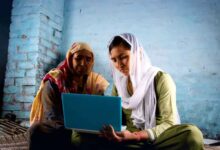
Among those fighting to survive is 25-year-old Javeria Bibi, who lost her husband, children, and home in the devastating floods that swept through Buner in August 2025. Now eight months pregnant, she carries the burden of new life while mourning her unimaginable loss. “I lost everything—my family, my house, and my hope for the future,” Javeria said, her voice heavy with sorrow. “I am living with anger, grief, and fear. Every day feels heavier than the last.”
According to the Provincial Disaster Management Authority (PDMA), the floods in Buner claimed at least 228 lives, injured 120 people, and destroyed thousands of homes and livestock. Nearly 3,900 cattle were lost, 160 homes completely destroyed, and another 575 partially damaged. Schools, hospitals, and health units were either submerged or washed away, leaving thousands stranded without medical aid or shelter.
The worst-hit areas include Beshoni, Qadar Nagar, Malik Pur, Pir Baba, Ghazikhanai, and Sultan Das. In these villages, families are grappling with hunger, displacement, and limited access to clean water. Shahid Khan, a resident of Qadar Nagar, shared his frustration as his pregnant wife continues to struggle without proper healthcare. “Eighty per cent of our area was destroyed. The only health unit we had is gone. My wife needs medical care, but there is no facility nearby,” he said.
Although the government and NGOs have deployed mobile medical teams, the help remains insufficient. Many families are reluctant to send women to these temporary clinics due to cultural sensitivities, and the lack of female doctors further compounds the problem. “The medical teams have limited doctors and medicines. What we really need are gynecologists and psychologists,” Khan emphasized.
Medical professionals in the region describe the situation as alarming. Dr Amir Taj, a specialist at Dagar Hospital, revealed that the floods have triggered widespread psychological distress. “When I visited the affected villages, most women and children were suffering from severe anxiety and stress. Many pregnant women are at risk due to high blood pressure, diabetes, or other complications,” said Dr Taj. He warned that without proper facilities, the chances of miscarriages and premature births remain high.
He estimated that nearly 90 percent of women in flood-affected areas are dealing with post-traumatic stress. “These women need round-the-clock healthcare and psychological counseling. Without emergency medical setups, both mothers and their babies are at serious risk,” he added.
In response to the crisis, Khyber Medical University (KMU) has stepped in to provide medical and mental health support. Professor Dr Inayat Shah, Chairman of KMU’s Institute of Medical Sciences, confirmed that teams have been deployed to Buner. “We have been running medical camps in the worst-affected zones. Depression among women is widespread, and children are suffering from malnutrition and skin diseases,” he said.
Dr Shah added that KMU has trained local students from Buner University to offer psychological support within their communities. “We aim to collect household-level data to assess the long-term impact. The goal is not just to treat but to rebuild—through sustained support and continuous medical engagement,” he explained.
Meanwhile, the Maternal and Neonatal Child Health (MNCH) program has also mobilized teams with the help of international partners. “The floods had a devastating impact on pregnant women,” said Dr Khizar Hayat, Director MNCH. “Through timely intervention, we managed to stabilize many cases, but long-term recovery is still a challenge. It will take time for communities to truly heal.”
For women like Javeria, the future remains uncertain. As she awaits the birth of her child, her story mirrors the silent suffering of countless women across Pakistan’s flood-ravaged regions—resilient, grieving, and waiting for a normal life that still feels far away.