
Can the Contraceptive Pill Affect Mental Health? Examining the Science and Debate
Research suggests a link between birth control pills and mood changes, but the connection remains complex. Experts weigh in on the risks, benefits, and ongoing debate.

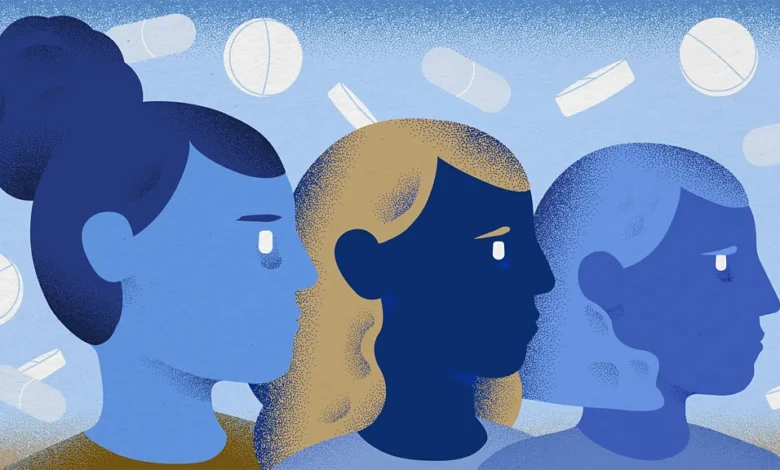
The contraceptive pill is one of the most popular birth control methods worldwide, but concerns about its potential effects on mental health have sparked debate. Some users report mood swings, anxiety, or depression, while others experience no changes at all. The relationship between the pill and mental health is complex, influenced by factors like hormonal composition, individual sensitivity, and pre-existing mental health conditions.
How the Contraceptive Pill Works
The contraceptive pill contains synthetic hormones—either a combination of estrogen and progestin or progestin alone. These hormones prevent pregnancy by stopping ovulation, thickening cervical mucus, and thinning the uterine lining. However, since hormones play a crucial role in brain chemistry, altering their levels could impact mood and emotional well-being.
Possible Mental Health Effects
Some studies suggest that hormonal contraceptives may be linked to:
- Mood Swings: Changes in hormone levels can affect neurotransmitters like serotonin and dopamine, which regulate mood.
- Increased Anxiety or Depression: Some women report feeling more anxious or depressed after starting the pill. A 2016 Danish study found a correlation between hormonal contraceptive use and an increased risk of depression, particularly in teenagers.
- Decreased Emotional Stability: Some users experience emotional numbness or mood fluctuations, affecting daily life.
Why Some Women Are More Affected
Not everyone experiences mental health side effects. Several factors determine an individual’s reaction to the pill, including:
- Genetic Sensitivity to Hormones
- History of Depression or Anxiety
- Type of Birth Control Used (Combination pills vs. progestin-only pills)
- Lifestyle Factors and Stress Levels
Research Findings and Expert Opinions
Scientific studies on this topic have mixed results. While some suggest a link between hormonal contraception and mental health issues, others find no significant impact. The variability in findings highlights the need for more research to determine who is most at risk. Experts recommend monitoring mood changes after starting the pill and consulting a doctor if symptoms arise.
Alternatives for Those Affected
Women who experience mental health changes from the pill may consider:
- Non-Hormonal Birth Control: Options like copper IUDs, condoms, or fertility awareness methods.
- Switching to a Different Pill: Different hormone combinations may have fewer side effects.
- Lifestyle Changes: Regular exercise, stress management, and diet improvements may help manage mood fluctuations.
Conclusion
The contraceptive pill affects women differently, with some experiencing mental health side effects and others not noticing any changes. While research suggests a possible link between hormonal contraception and mood disorders, more studies are needed for definitive answers. Women experiencing mood-related symptoms should consult a healthcare provider to explore alternatives.