
South Asian Women Push for Menopause Awareness to Save Relationships
Pharmacist warns that silence around menopause in South Asian families is causing emotional distress, broken marriages, and isolation.

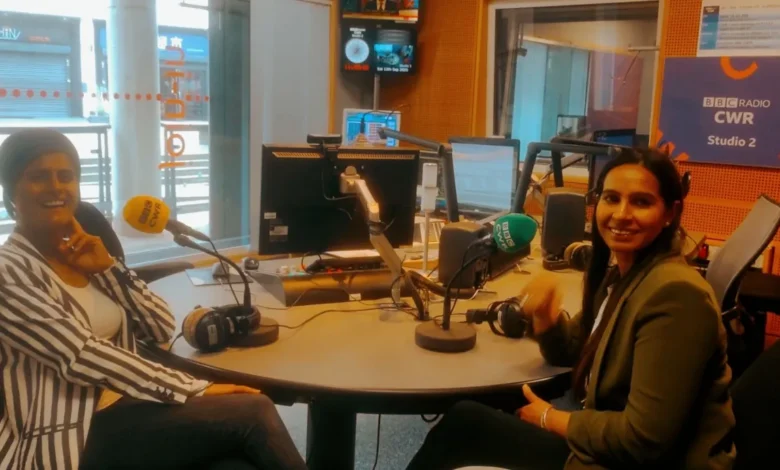
In South Asian families, menopause remains one of the least discussed topics — often surrounded by shame, confusion, and silence. But that silence is taking a serious toll. Pharmacist Veerpal Sandhu believes the lack of open conversations about menopause is leading to strained relationships, extra-marital affairs, and even divorces. Ahead of World Menopause Day, she and her friend, wellbeing advocate Inderpal Flora, are working to change this narrative by creating safe spaces for women to talk openly about their experiences.
For many women, menopause symptoms such as mood swings, fatigue, or low libido are dismissed or misunderstood. In some Punjabi households, women going through hormonal changes are called “pagal” (crazy) or told their “dimaag kharaab” — that their mind isn’t right. Sandhu says this stigma isolates women when they most need understanding. “If they can’t keep up with cooking, childcare, and demanding careers, they’re labeled lazy or unstable,” she explains.
To break these taboos, Sandhu and Flora have started hosting menopause workshops at Sikh community centers in Coventry. Their goal is simple: to help women recognize their symptoms, find community, and learn the language to seek help. “If a woman can’t talk to her partner about symptoms like vaginal dryness or low libido, it can create distance,” Sandhu says. “I’ve seen relationships fall apart because no one talks about what’s really happening.”
Menopause, which marks the end of a woman’s reproductive years (usually around age 51), comes with a range of physical and emotional symptoms — hot flushes, mood changes, irregular periods, fatigue, and sleep problems. Yet, because the topic is taboo, many women feel they must hide their struggles, even at work. Flora says, “South Asian women, like many others, try to push through instead of asking for support. But employers need to be aware. Instead of penalizing performance, they should make reasonable adjustments.”
Simple changes — flexible hours, access to cooler spaces, or time off for medical appointments — can make a big difference. Both women agree that education for managers is crucial. “If a colleague understands why someone is struggling with concentration or mood, they’re more likely to support them instead of judging them,” Sandhu adds.
The two women also stress the importance of language and cultural understanding. “If you’ve grown up not naming periods, you won’t have the words for menopause either,” Sandhu says. Their workshops teach women how to describe their symptoms and talk to doctors confidently. Flora adds that male involvement is just as important — fathers, brothers, sons, and partners must also be part of the conversation. “When men understand menopause, they can show empathy instead of frustration. That can transform family life,” she notes.
For Sandhu and Flora, breaking the silence is not just about health — it’s about saving relationships, preserving mental well-being, and strengthening communities. As World Menopause Day approaches, they hope to expand their outreach and encourage culturally sensitive education around women’s health.
“Conversations save relationships, jobs, and health,” Sandhu says. “When women understand their bodies — and when families and employers listen — everyone benefits.”