
Breast Density Alerts Causing Confusion Among Women
New study finds breast density notifications may increase anxiety and leave women feeling less informed about their breast health.

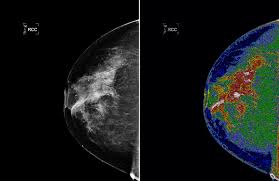
New research from the University of Sydney shows that breast density notifications, intended to inform women about increased cancer risks and challenges in detection through mammograms, may actually be causing confusion and anxiety. The study, published in the British Medical Journal, explored how women respond to receiving information about their breast density, a program already mandatory in the US and being rolled out across Australia.
Lead author Dr Brooke Nickel explained that the premise of breast density notification is to empower women with information to make choices about their health. “In theory, this is a really good thing, but what we found in practice was that breast density notification made women more confused and anxious about their breast health,” she said. “Women also did not feel more informed.”
Breast density affects an estimated 25 to 40 percent of women and can increase the risk of developing breast cancer, while also making it harder to detect tumors through standard mammograms. For these women, additional screening options such as ultrasound, MRI, or contrast-enhanced mammography can improve detection rates. However, these methods often come with out-of-pocket costs, and their long-term benefits for mortality rates, as well as potential unintended consequences like widening health inequalities, are still unclear.
To study the effects of notifications, researchers conducted a randomised controlled trial involving 2,401 women at 13 BreastScreen sites in Queensland between September 2023 and July 2024. Women identified as having dense breasts were randomly assigned to one of three groups: a results letter notifying them of breast density with an additional leaflet, a results letter with a link to online video-based information, or a control group receiving no notification.
The findings revealed significant differences in how women responded. In the two intervention groups, 11.5 percent and 9 percent reported feeling confused after receiving the notification alongside a normal screening result, compared to just 2.7 percent in the control group. Anxiety about what actions to take regarding breast health was also higher in the notified groups, reaching 20.8 percent and 20.5 percent, while the control group reported 18 percent.
Interestingly, the notifications did prompt more women to consider follow-up consultations. The intention to discuss screening results with a GP was higher in the intervention groups 22.8 percent and 19.4 percent compared to 12.9 percent in the control group. While the notifications encouraged further medical engagement, they also highlighted the unintended psychological burden and confusion caused by delivering complex health information without adequate support or context.
The study underscores the need for careful design and evaluation of breast density notification programs to ensure women are truly empowered with meaningful, understandable information. It also raises important questions about how to balance the benefits of awareness with potential anxiety, financial costs, and health inequities, ensuring women can make informed choices without unnecessary stress.
As Australia continues to expand its breast density notification rollout, these findings provide critical insight for policymakers, healthcare providers, and screening programs, emphasizing the importance of clear communication and support for women navigating complex health information.