UN Urges Taliban to Lift Ban on Afghan Women Working in Its Offices
Restriction blocks life-saving aid as hundreds of female UN staff remain barred from workplaces.

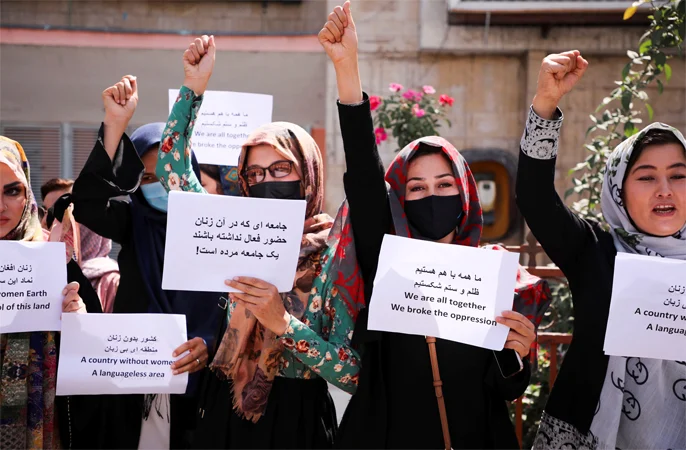
The United Nations has called on the Taliban authorities to immediately reverse their ban preventing Afghan women from working inside UN offices, warning that the restriction is endangering critical humanitarian services across the country. Since returning to power in 2021, the Taliban have imposed sweeping limits on women’s rights, including blocking them from most jobs, education beyond grade six, public parks, and beauty salons. The latest restriction, introduced in September, barred female UN staff from entering their workplaces.
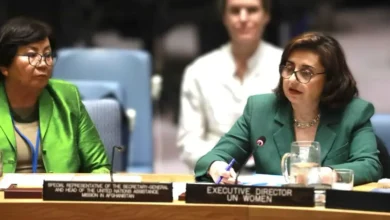
Susan Ferguson, the UN Women special representative in Afghanistan, issued a strong statement urging the Taliban to restore women’s access to UN facilities. She emphasized that Afghan women employed by the UN are vital to the organization’s ability to deliver humanitarian assistance safely and effectively. According to Ferguson, the longer the ban remains, the more severely it harms life-saving operations, and it violates fundamental UN principles of human rights, equality, and nondiscrimination.
While the UN has not disclosed the exact number of women affected, internal sources indicate that several hundred female staff members have been unable to enter UN premises for months. As a result, teams have been forced to work remotely while responding to major crises, including devastating earthquakes and the mass deportation of Afghan refugees from Pakistan and Iran. Ferguson highlighted that female staff play an indispensable role, as they are the only ones who can safely reach Afghan women and girls and provide culturally appropriate support.
The Taliban authorities have yet to issue a response to the UN’s latest appeal. However, the impact of the restrictions is visible. In September, the UN refugee agency halted cash assistance for returning Afghan migrants because it could no longer interview or verify information for more than half of the returnees — all of whom were women.
The UN warns that without Afghan women on the ground, key humanitarian programs cannot function. For millions of Afghan women and girls already facing extreme restrictions, the ban deepens isolation and cuts off access to essential services. International humanitarian agencies continue to push for policy reversals and broader protections, stressing that restoring women’s participation is not only a rights issue but a critical operational necessity for Afghanistan’s survival.