Global Report Warns Women Excluded From Peace Talks
UN highlights rising conflicts and declining female participation in peace processes worldwide.

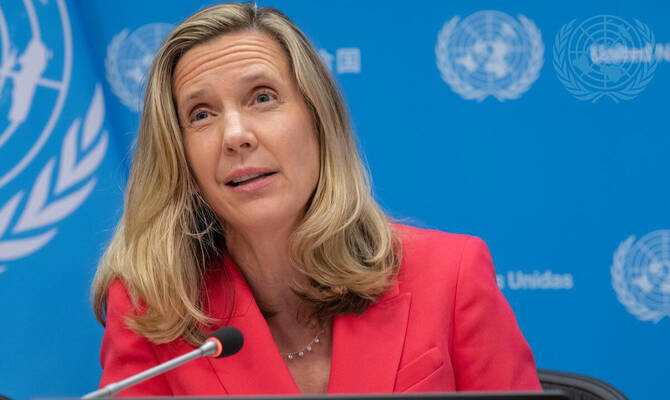
Twenty-five years after the adoption of UN Security Council Resolution 1325, which promised the inclusion of women in peace and security efforts, a new UN report shows that progress is being reversed. While global conflicts intensify and military spending reaches record levels, women continue to be sidelined in negotiations and decision-making.
In 2024, 87 percent of peace talks occurred without a single woman present, with only 7 percent of negotiators and 14 percent of mediators being female. UN Women officials warn that this exclusion has far-reaching consequences, affecting governance, reconstruction, and women’s representation long after conflicts end. Women hold just 18 percent of local government seats in conflict-affected countries, about half the global average.
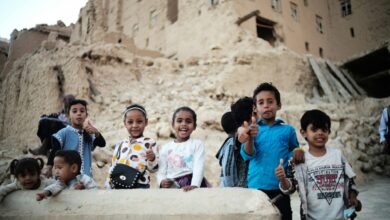
The report also highlights the human cost of conflict. Nearly 700 million women and girls now live within 50 kilometers of armed conflict — the highest number since the 1990s. Civilian casualties among women and children have quadrupled in two years, while conflict-related sexual violence has risen by 87 percent. In Gaza, for instance, women and girls have been killed at a rate of two per hour in the past two years.
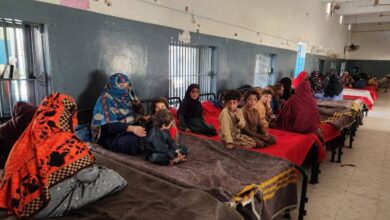
Health outcomes are similarly dire. Fifty-eight percent of global maternal deaths now occur in just 29 crisis-affected countries, a number expected to rise as reproductive healthcare access shrinks. UN Women warns that women-led organizations, which are crucial for peacebuilding, are underfunded. Only 0.4 percent of aid in conflict zones reaches these groups directly, and nearly half expect to close within six months.
The report criticizes the shift toward militarization, noting that global military expenditure now stands at $2.7 trillion — nine times the amount needed for universal social protection for women and girls in the world’s poorest nations. UN officials stress the need to redirect resources from arms to peacebuilding and set binding targets for women’s participation in peace processes.
UN Women also emphasizes the diversity of women’s experiences in conflict. Refugees, widows, teachers, and healthcare providers face very different challenges, all requiring tailored policies and support. The organization advocates for shared learning across regions, noting that solutions in one part of the world can inform practices elsewhere.
The report warns that without urgent action, decades of progress in women’s rights and peacebuilding could be erased. By 2030, 151 million women and girls could be pushed into extreme poverty, with those in conflict zones disproportionately affected. UN Women calls for greater multilateralism, funding for women-led networks, and stronger global accountability to ensure women are included in shaping decisions on war and peace.
As the UN marks the 25th anniversary of Resolution 1325, leaders and policymakers are urged to make this a turning point. The resolution remains a landmark achievement for the women, peace, and security agenda, but its promise remains unfulfilled. Women must be given a seat at the table if the world hopes to achieve lasting peace and equitable security.