Pakistan’s Women Prisoners Face a Hidden Mental Health Crisis
Overcrowded jails, abuse, and neglect are fueling severe psychological suffering among female inmates — and their children.

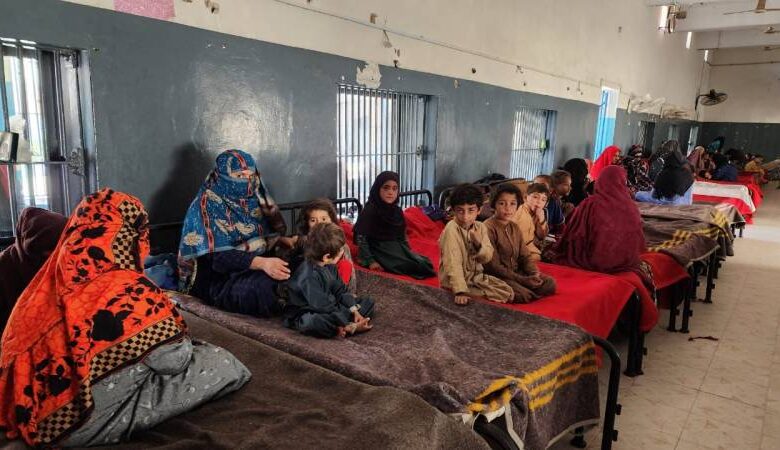
Behind Pakistan’s prison walls, a silent epidemic rages — one that is rarely addressed in public discourse. Nearly 80% of the country’s female inmates suffer from mental health disorders, yet systemic neglect, overcrowding, and scarce medical resources leave them without the help they desperately need. Depression, PTSD, self-harm, and psychosis are alarmingly common, with some studies revealing that over a third of incarcerated women engage in self-injurious behavior during detention.
Many of these women were already vulnerable before entering prison. Poverty, lack of education, and domestic abuse push countless women into conflict with the law, often for non-violent offenses. Once behind bars, conditions worsen — cramped cells, unsanitary environments, limited access to food and medical care, and frequent reports of sexual violence create a setting where psychological decline is almost inevitable. Nationwide, only 24 female medical or psychosocial staff serve all women prisoners, making both reporting and treatment of abuse extremely limited.
Aisha (name changed), a 35-year-old mother of two at Kot Lakhpat Jail, is one such victim of the system. Arrested for theft — a charge she denies — she was already battling depression from years of domestic abuse. Separated from her children and trapped in an environment of violence, her mental health rapidly deteriorated. In a letter to her sister, she wrote of sleepless nights, haunting memories, and the crushing loneliness that defines her days. Her story mirrors that of many others whose suffering goes unseen.
The impact extends beyond the inmates themselves. Children of incarcerated mothers face emotional trauma, stigma, and poverty. Some are forced to live within prison walls, while others are placed in unstable situations outside. Both paths leave deep, lasting scars.
Experts warn that addressing this crisis requires immediate policy reform. Recommendations include mandatory mental health screenings upon prison entry, gender-sensitive staff training, and improved access to trauma-informed care. Expediting trials to reduce prolonged detention, creating separate facilities for non-violent offenders, and expanding rehabilitation programs with vocational and educational opportunities could help break the cycle. Post-release support is also vital to prevent recidivism and aid reintegration.
Punjab has begun deploying psychologists in women’s prisons, but efforts remain patchy and inadequate. In-depth studies, especially in underreported facilities like Multan Women’s Jail, are urgently needed to design targeted interventions.
Without swift action, Pakistan’s women’s prisons will continue to operate as mental health graveyards, perpetuating a cycle of suffering for inmates and their families. This is not just a prison issue — it is a human rights crisis that demands recognition, empathy, and decisive change.