NAVTTC Empowers Pakistani Women with China-Inspired Skill Programmes
Pakistan’s NAVTTC, inspired by China’s vocational success, expands women’s access to trades like IT, plumbing, and carpentry, aiming for inclusive, data-driven, and sustainable skills development.

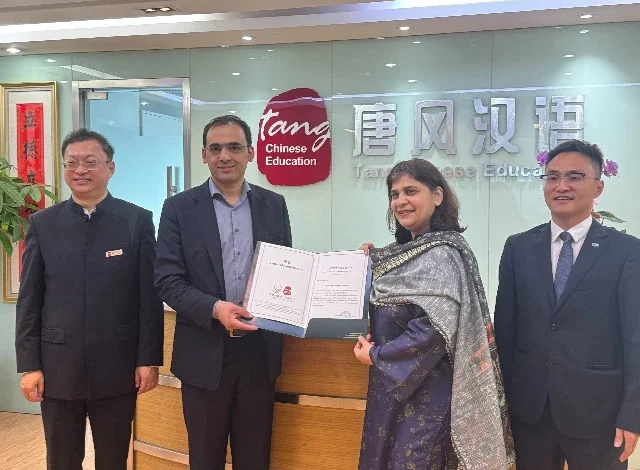
BEIJING: Pakistan’s National Vocational and Technical Training Commission (NAVTTC) is redefining the landscape of skill development by launching innovative, inclusive programmes inspired by China’s vocational education model. These initiatives, according to NAVTTC Chairperson Gulmina Bilal Ahmad, are not only equipping the youth with high-demand technical skills but are also opening new opportunities for women in fields previously dominated by men.
In an exclusive interview with China Economic Net, Gulmina highlighted how NAVTTC is drawing inspiration from China’s experience in technical training to localise and implement a system tailored to Pakistan’s diverse socio-economic needs. “We studied the Chinese system, adopted their model and asked ourselves: how can we apply this to Pakistan’s unique needs?” she explained.
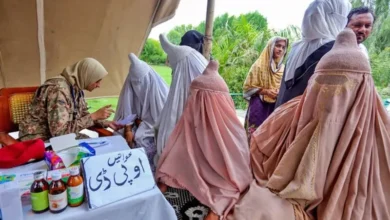
One of the most significant milestones in NAVTTC’s recent efforts is the integration of women into trades traditionally considered off-limits for them. “Plumbing, mobile repair, carpentry, and electrical works are now part of our women-only training programmes,” Gulmina revealed. These initiatives, initially launched as a pilot under the prime minister’s special directive, have become a regular and growing part of NAVTTC’s skilling agenda.
Gulmina stressed that Pakistan’s youth, particularly women, must be empowered through inclusive, research-backed, and sustainable development plans. “The main challenge is not a lack of resources, but the strategic and efficient use of those resources,” she said. The commission’s focus now lies in aligning its training strategies with actual market demand, ensuring that the skills imparted translate into employability and income generation.
To this end, NAVTTC has developed an online platform offering real-time data on training institutes across the country. This data includes institute locations, capacity, co-education status, and faculty qualifications, all accessible from remote areas like Sanghar to Dalbandin. “This is how we make data-driven decisions, focusing on local needs at the district level,” Gulmina added.
The Chairperson acknowledged that the success of NAVTTC’s reforms is also due to direct support from the highest levels of government. “The prime minister’s personal interest in skills development ensures that our work stays on track for maximum impact and long-term functionality,” she said.
On the topic of future collaborations, Gulmina expressed deep appreciation for China’s continued support in skill development. “China is more than a partner; it is a brother who generously shares its development experience. It’s now our responsibility to localise and implement that knowledge purposefully.”
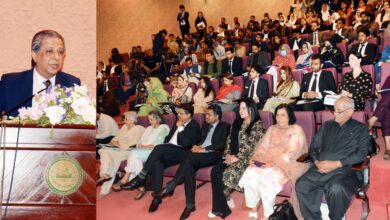
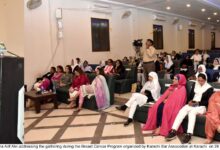
Gulmina is currently in China at the invitation of Tang International Education Group. During her visit, she attended a ceremony honouring eight Pakistani female students who completed technical and vocational training in China. A new batch of 16 Pakistani women has also been enrolled, further expanding the reach of the bilateral educational partnership.
NAVTTC’s China-inspired transformation reflects a bold shift in Pakistan’s vocational training priorities — from gender-exclusive classrooms to inclusive, forward-looking programmes that empower women and meet modern market demands.