Denying Women’s Right to Healthcare in Pakistan: A Crisis of Autonomy and Development
In Pakistan, women face systemic denial of medical care without male consent, turning a health issue into a national development crisis.

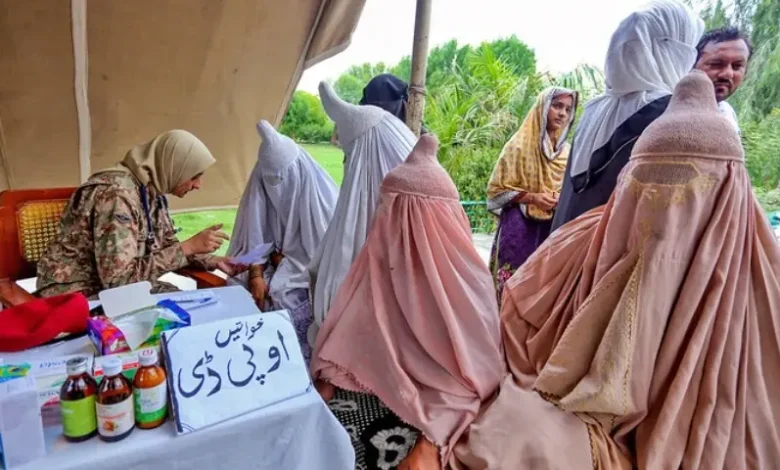
Maryam, a 28-year-old lecturer and researcher, lives with endometriosis, a condition that causes severe and chronic pain. Despite knowing the procedure that could provide relief, having the financial resources, and repeatedly seeking medical care, her suffering continues. The reason is not medical but rooted in societal gatekeeping. A private hospital in Lahore refuses to treat her because she does not have the consent of a man — her non-existent husband. Maryam’s story reflects a painful reality for countless women in Pakistan, where healthcare access is often contingent on patriarchal approval rather than medical need.
Across the country, women face barriers to accessing healthcare, particularly for reproductive and gynecological conditions. Doctors and hospitals frequently demand spousal or family consent before proceeding with treatment, even in urgent cases. This practice is not mandated by law, yet it has become an ingrained norm in many healthcare settings. According to the 2024 UN National Development Report, only 12 percent of women in Pakistan reported that they could decide independently about seeking medical treatment. In most households, this decision is made by male family members or through collective consultation that excludes the patient herself. This culture of disempowerment strips women of autonomy and reduces their role in decisions about their own bodies.
The consequences of such practices are devastating, not only for women but also for families and the country’s economy. Denying women timely medical treatment leads to preventable deaths, chronic health conditions, and economic losses. WHO estimates for 2025 revealed that 27 mothers and 675 newborns die every single day in Pakistan due to preventable complications. These statistics translate into over 246,000 newborn deaths, 10,000 maternal deaths, and 190,000 stillbirths annually. While maternal mortality has declined over the years, Pakistan still lags behind South Asia in ensuring safe motherhood and neonatal care.
This systemic denial of autonomy stems not just from cultural norms but also from structural failures in the healthcare system. Public health expenditure has remained around 1 percent of GDP for the past five years, leaving facilities underfunded and understaffed. Reproductive health services are concentrated in urban centers, leaving rural women with little to no access. Even where laws permit procedures such as abortion under certain conditions, stigma and provider bias often prevent women from receiving care. The shortage of female doctors further compounds the problem, as many women prefer or are socially pressured to seek treatment only from female providers. Currently, less than half of registered doctors in Pakistan are women, and many drop out of practice due to unsafe workplaces, rigid schedules, and lack of institutional support.
The economic implications of this neglect are profound. Women make up less than a quarter of Pakistan’s labor force, and untreated health issues contribute to their exclusion from work. Chronic illnesses caused by delayed or denied care reduce productivity, increase dependency, and drive families deeper into poverty. At a national level, Pakistan risks losing its demographic dividend as high fertility rates and poor maternal health undermine the potential of its growing working-age population. Countries like Bangladesh and Indonesia have shown that investing in women’s health leads to economic growth, but Pakistan continues to miss this opportunity.
To change course, Pakistan needs a clear national protocol that recognizes adult women as capable of giving informed consent for their own healthcare. Hospitals and providers who impose arbitrary restrictions must face accountability. At the same time, investment in primary healthcare and reproductive services must increase, with a focus on accessibility, privacy, and dignity for women. Training healthcare workers to provide respectful, unbiased care and retaining more female doctors through safe, flexible work environments are essential steps.
Perhaps the most difficult challenge lies in changing social attitudes. Women should not have to justify their right to seek medical care. Public awareness campaigns that challenge harmful norms and affirm women’s autonomy are necessary for long-term change. Denying women control over their health is not just a violation of rights — it weakens families, burdens healthcare systems, and constrains national growth. Until women like Maryam are trusted to decide for themselves, Pakistan will continue to bear the price of exclusion, both in human suffering and in lost development.