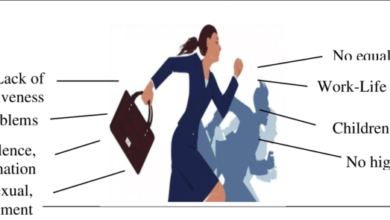
Breaking Barriers: Women’s Challenges in Gym Spaces
Exploring the obstacles women face while exercising in gyms and how we can create safer, more inclusive fitness environments for everyone.

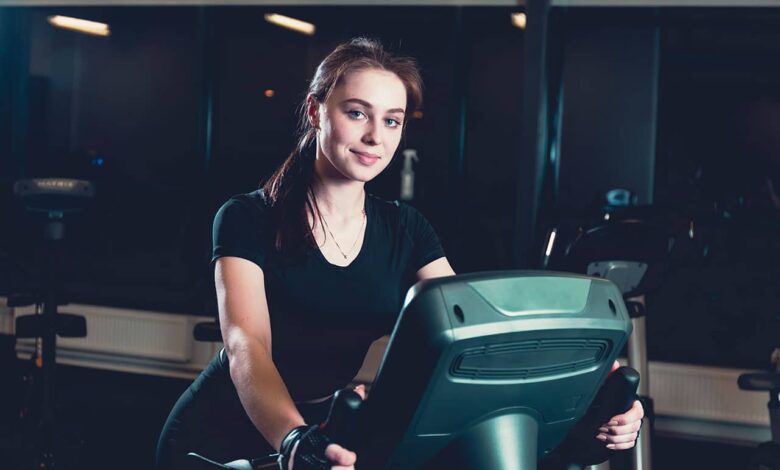
Gyms are meant to be spaces of empowerment, where individuals can focus on their health and well-being. However, for many women, gyms can feel intimidating, uncomfortable, or even unsafe. From societal pressures to structural inequalities, women face multiple barriers when it comes to exercising in gyms. Let’s explore these challenges and discuss how we can work toward creating more inclusive fitness spaces.
1. Gender Stereotypes and Societal Expectations
One of the biggest barriers women face in gyms is the weight of societal expectations. From a young age, women are often taught to prioritize appearance over strength or athleticism. This can lead to self-consciousness and anxiety when working out in public spaces, especially in male-dominated areas like weightlifting sections.
Additionally, the stereotype that women should focus on “toning” rather than building strength can discourage them from exploring certain types of exercise. This limits their ability to fully benefit from the physical and mental health advantages of a well-rounded fitness routine.
2. Unwanted Attention and Harassment
For many women, gyms can be hotspots for unwanted attention, ranging from stares and unsolicited advice to outright harassment. This behavior not only makes women feel uncomfortable but can also deter them from returning to the gym altogether.
The fear of being judged or objectified can lead women to alter their workout routines, avoid certain areas of the gym, or even opt for home workouts instead. This limits their access to equipment, professional guidance, and the motivational atmosphere that gyms provide.
3. Lack of Female-Friendly Spaces
Many gyms are designed with men in mind, from the layout of equipment to the availability of amenities. For example, weightlifting areas are often dominated by men, creating an intimidating environment for women who want to build strength. Similarly, the lack of women-only sections or classes can make it harder for women to feel comfortable and confident.
Additionally, gyms may not always provide adequate facilities for women, such as clean and private changing rooms, breastfeeding areas, or childcare options. These oversights can make it difficult for women, especially mothers, to prioritize their fitness.
4. Body Shaming and Fitness Culture
The fitness industry often perpetuates unrealistic beauty standards, which can lead to body shaming and low self-esteem. Women may feel pressured to achieve a certain “look” rather than focusing on their health and well-being. This pressure can be exacerbated by social media, where fitness influencers often promote unattainable ideals.
In gyms, this culture can manifest as judgmental comments or comparisons, making women feel out of place if they don’t fit the mold of a “typical gym-goer.” This can be particularly discouraging for beginners or those who are already struggling with body image issues.
5. Safety Concerns
Safety is a significant concern for many women, especially those who prefer to work out early in the morning or late at night. Poorly lit parking lots, lack of security personnel, and isolated areas within the gym can make women feel vulnerable.
For women who have experienced trauma or harassment, these concerns can be even more pronounced, making it difficult to fully engage in their workouts or enjoy the gym experience.
How Can We Create More Inclusive Gym Spaces?
Addressing these barriers requires a collective effort from gym owners, trainers, and members. Here are some steps we can take to make gyms more welcoming and inclusive for women:
- Promote a Culture of Respect: Gyms should have zero-tolerance policies for harassment and ensure that all members feel safe and respected. Staff should be trained to address inappropriate behavior promptly and effectively.
- Design Women-Friendly Spaces: Creating women-only sections or classes can provide a safe and supportive environment for women to exercise without fear of judgment or harassment.
- Challenge Stereotypes: Fitness professionals can play a key role in breaking down gender stereotypes by encouraging women to explore all types of exercise, from weightlifting to martial arts.
- Improve Facilities: Gyms should prioritize amenities that cater to women’s needs, such as clean changing rooms, private spaces for breastfeeding, and childcare options.
- Foster Body Positivity: The fitness industry should celebrate diversity and promote body positivity, emphasizing health and strength over appearance.
- Enhance Safety Measures: Gyms should invest in better lighting, security personnel, and surveillance systems to ensure the safety of all members, especially women.
The Power of Community
Women supporting women can also make a huge difference. Building a sense of community through fitness groups, online forums, or workout buddies can help women feel more confident and motivated. When women uplift each other, they can overcome barriers and achieve their fitness goals together.
Sum Up
While women face significant challenges in gym environments, these barriers are not insurmountable. By addressing the root causes of these issues and fostering a culture of inclusivity and respect, we can create gym spaces where everyone feels welcome and empowered.
Fitness is for everyone, regardless of gender, and it’s time we break down the barriers that stand in the way of women’s access to health and well-being. Let’s work together to build a future where gyms are truly inclusive spaces for all.