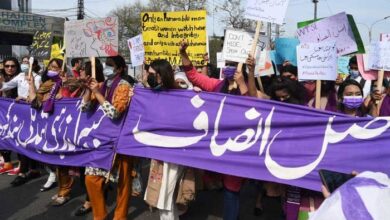

Due to uneven socioeconomic development and the influence of tribal and feudal social formations on women’s lives, women’s status in Pakistan varies greatly across classes, regions, and the rural/urban divide. All things considered, women’s rights are improving throughout Pakistan, and more and more educated and literate Pakistani women are there. Religious organizations and the general public are criticizing violence against women more and more. The largest religious clergy group in Pakistan, the All Pakistan Ulema Council, has issued a fatwa against honor killings. Judges have responded to the nationwide call for more severe penalties for violent crimes against women by imposing harsher sentences.
Let’s examine some of the most significant obstacles and struggles that many Pakistani women still encounter today:
Biases based on gender
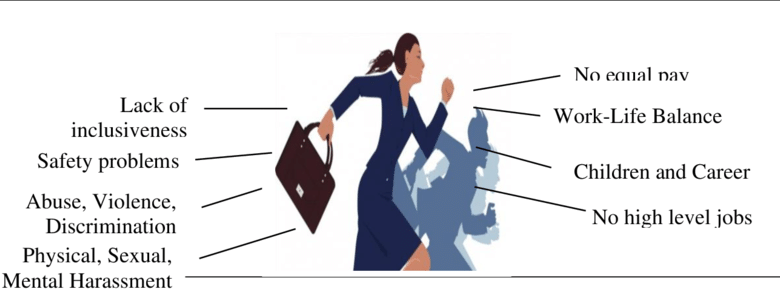
There is no denying that men are given unfair advantages over women in certain situations, as the headline makes abundantly evident. Unofficial hiring practices for women are prevalent in both public and private organizations because it is generally assumed that they will either get married and leave their jobs, or take time off for childbirth. This is overt discrimination against women, which naturally deprives them of many wonderful opportunities and puts them at a disadvantage in society.
Sexual abuse
Sexual harassment is the most frequent issue Pakistani women deal with. Working women are still considered “public property” by men, who frequently try to take advantage of this. The persistent prevalence of unsafe and unhealthy environments in Pakistan is a contributing factor to the male mindset that views weak and fragile women as easy pickings.
Achieving harmony between personal and professional lives
If you are from Pakistan and have a desi background, your family expects you to take care of the household chores and obligations that have been passed down to you by your elders. It is impossible to avoid setting aside time for your barray or ghar walay. You’ll undoubtedly find yourself juggling a dual life as a professional worker at home or in an office if you want to be an independent working woman on your own.
Marriage and education
Many fathers and mothers we encounter doubt the necessity of their daughter’s aspirations to pursue a college degree, believing that she is already at the ideal age to become the target of marital worries. After all, for every girl in Pakistan, marriage is the one and only possible outcome. Whether it’s physical abuse from parents or threats of death from brothers if she dares to refuse marriage, most girls in Pakistan are probably going to be forced to give up on their dreams of receiving an education, either domestically or abroad, and be sent off in marriage proposals to older men.
The fears of the husband
If you are fortunate enough to be married or a married working woman, you will likely have to deal with your husband’s ego and hidden insecurities on a regular basis. In Pakistan, men typically think that they should be the only ones in the family to provide financial support. Your interactions with male coworkers may make them feel threatened, and they may interpret your well-deserved accomplishments as unwelcome threats.
How far is that, dear?
More women’s lives have been ruined by this one factor or claim than by any other. Whether you’re a housewife or a working woman, you’re always concerned about how other people will see you based on their preconceived notions and opinions. They will likely assign you unpleasant and dirty titles and believe that you are neglecting your home, family, children, and other responsibilities if you work or take care of yourself.
Honor killings and rape
Many people tend to completely ignore the larger picture in our country, which includes these two issues. Although rape culture is wrong, it is actually acceptable in Pakistan. The justification that Islam encourages modesty and assigns men to guard inferior women serves as justification for it. Moreover, the riskiest justification of all—traditional norms—justifies it. Additionally, because tribal jirgas are the very institutionalized foundation of Pakistan’s rural power structure, their actions, which are blatantly biased against women and in favor of these horrible crimes, are the exact opposite of state law.
Conclusion
Despite the Criminal Law Act’s introduction in 2016 and modifications to earlier legislation, women continue to make up 95% of honor killing victims. According to the Aurat Foundation, up to 1000 women are killed annually in the name of honor, and more than 60% of crimes involving honor go unreported.