South Korea Honors Mothers of 13 Kids
South Korea recognizes mothers with 13 children to address declining birth rates and celebrate their contributions to society.

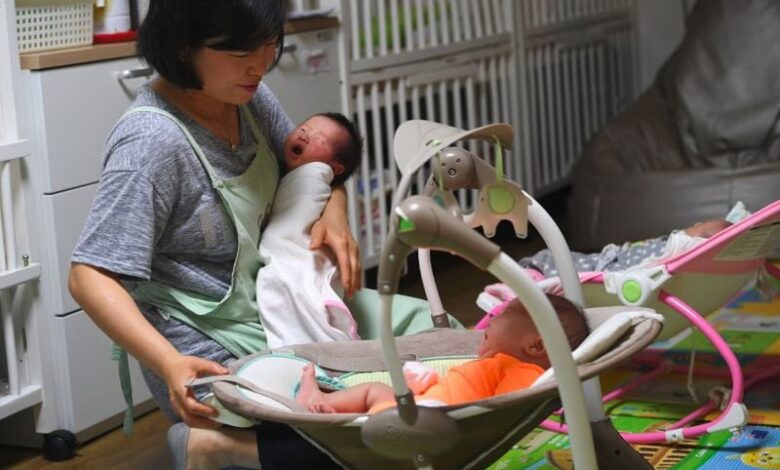
South Korea has recently made headlines with its decision to honor women who have given birth to 13 children each. This initiative is part of the country’s broader efforts to address its critically low birth rate, which is one of the lowest in the world. By recognizing these mothers, the government aims to celebrate their contributions to society and encourage larger families. Below, we explore the reasons behind this decision, its implications, and the broader context of South Korea’s demographic challenges.
Why Honor Mothers of 13 Children?
South Korea’s birth rate has been declining for decades, reaching a record low of 0.78 children per woman in 2022. This demographic crisis threatens the country’s economic stability, workforce, and social systems. To combat this, the government has introduced various incentives, including financial support, childcare benefits, and now, public recognition for mothers with large families.
Honoring mothers of 13 children is a symbolic gesture to highlight the importance of family and parenthood. It also aims to shift societal attitudes toward having more children, which is often seen as financially and emotionally burdensome in South Korea.
The Role of Mothers in South Korean Society
Mothers in South Korea have traditionally played a central role in raising children and managing households. However, modern challenges such as high living costs, demanding work cultures, and gender inequality have made it difficult for women to balance careers and motherhood. By honoring mothers of 13 children, the government acknowledges their sacrifices and contributions, hoping to inspire others to consider larger families.
Public Reaction and Criticism
While some applaud the initiative as a step toward addressing the birth rate crisis, others criticize it for being unrealistic and out of touch with modern realities. Many argue that simply honoring mothers is not enough to solve the underlying issues, such as high childcare costs, lack of work-life balance, and societal pressure on women to prioritize family over careers.
Critics also point out that the focus on mothers with 13 children may alienate smaller families and fail to address the needs of working parents who struggle to raise even one or two children.
Broader Context: South Korea’s Demographic Crisis
South Korea’s declining birth rate is part of a larger demographic trend affecting many developed countries. However, the situation in South Korea is particularly severe due to its rapidly aging population and shrinking workforce. The government has implemented various policies, such as cash bonuses for newborns, extended parental leave, and subsidized childcare, but these measures have had limited success so far.
Sum Up
South Korea’s decision to honor mothers of 13 children is a bold and symbolic move to address its demographic challenges. While it highlights the importance of family and parenthood, it also underscores the need for more comprehensive solutions to support working parents and create a family-friendly society. As South Korea continues to grapple with its low birth rate, initiatives like this serve as a reminder of the critical role families play in shaping the future.