World Animal Day : What Pakistanis Should Learn from PETA VP Shalin Gala
In PETA, Pakistan will find a willing partner to help eliminate animal cruelty, shift the biomedical research system toward modern animal-free technologies, promote compassion throughout the education system, and much more.
~ Shalin Gala
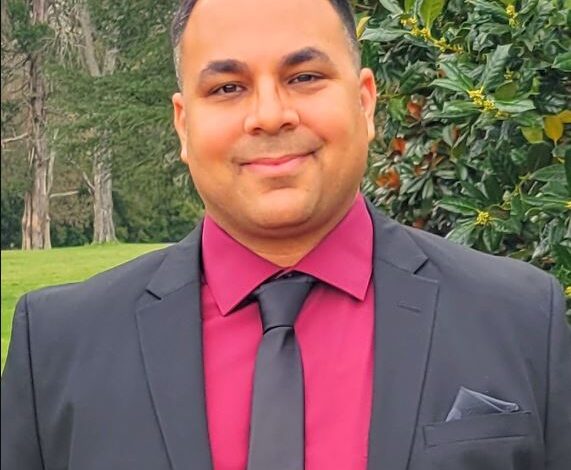
People for the Ethical Treatment of Animals (PETA) is the largest animal rights organization in the world, and operates under the simple principle that “animals are not ours to experiment on, eat, wear, use for entertainment, or abuse in any other way.” Its Vice President of International Laboratory Methods, Shalin Gala, has an unbiased and passionate interest in helping Pakistan revolutionize animal welfare and bring about much-needed reforms.
It is no secret that the country fails miserably when it comes to recognizing animal rights, and Gala has time-and-again offered the government PETA’S open assistance in this regard. Despite the glaring apathy of the concerned authorities, there are many animal lovers and animal welfare advocates in Pakistan and welcome proper international guidance. Young and aspiring activists are often lost when looking for a starting point and someone to look up to, and Gala is the perfect example of a gentle soul who works tirelessly to make the world a better place for animals to live in.
He joined PETA in 2004 after graduating in Anthropology from Washington University in St. Louis, and co-leads a dedicated team of scientists, researchers, campaigners, and support staff to modernize laboratory experimentation and training methods around the world by replacing the use of animals.
In his own words, Gala’s mission is to “work strategically each day to get animals out of laboratories —regardless of which country they are in or which species they embody. Sentient animals deserve to have their right to self-determination for their lives respected and protected, and I see my role as helping to ensure they have a chance to live their lives free from exploitation.”
How did you get into animal welfare and PETA, and what was your journey up to this point?
Prior to becoming vegan, I was eating a standard American diet, attending circuses, wearing leather, and supporting the use of animals for medical research. All of this occurred despite my growing up in a Jain household where I was taught the nonviolence principle of ahimsa, said Gala.
He added one day, it appeared that our bird companion may have been injured by one of my accidental actions. While it was soon confirmed that she was not injured, my initial perception that something I had accidentally done had caused her harm weighed on my mind, forcing me to reflect on other deliberate and non-accidental choices I routinely made in everyday life and how those choices affected animals. Within 24 hours of conducting this moral self-inventory and evaluation, I decided to go vegan and have not looked back since over the past 20 years.
Soon after making this switch to veganism, I learned about PETA from the internet and a local library, applied for a job and dedicated my life to seeking justice for animals.
You and PETA have been instrumental in bringing animal welfare reforms to Pakistan. Do you envision more changes here in that regard?
Shalin Gala in reply said last year, after PETA called on Pakistani officials to ban harmful and medically unnecessary veterinary training exercises on animals and directly communicated this recommendation and broader concerns about animal testing in a meeting with the head of the Prime Minister’s Strategic Reforms Unit, the federal government announced historic new measures that reportedly ban testing and surgeries on live animals at veterinary schools and industrial complexes in the federal capital of Pakistan, Islamabad, and surrounding areas — and institute a fine along with jail time for offenders who commit cruelty to animals.
Also, after sharing information about PETA’s Share the World kit — an education program designed to help children better understand how to share the world with and care for animals — we were pleased that the federal government in Pakistan launched that country’s first animal rights curriculum, initially to be taught in primary grades in both private and public schools in the capital, Islamabad.
Further, last year, after PETA learned of a plan by the Pakistan Civil Aviation Authority (PCAA) to deploy people to shoot birds on the runway at Allama Iqbal International Airport in Lahore — in lethal attempts to deter birds from colliding with airplanes — we sent a letter to PCAA Director General Flt. Lt. (Retd.) Khaqan Murtaza to urge him to use humane bird deterrents instead, such as sonic devices, lasers, and other nonlethal measures.
After hearing from us, the PCAA announced, “Federal Minister said Civil Aviation should collaborate with Pakistan Air Force and conduct [a] study of international best practices for effective bird control at Lahore Airport.” This is progress that will hopefully eliminate shooting as a bird-deterrent method in this case, and we will continue to follow developments and advise the agency on best practices.
We continue to advocate for a number of strategic animal reforms in Pakistan, including: urging the Pakistan Veterinary Medical Council to explicitly embrace humane simulation training models and ban training methods that are not medically necessary and don’t directly benefit the animals involved; swaying the Pakistan Medical and Dental Council to ban the use of animals for undergraduate medical training (MBBS); ending the use of animals for teaching dissection in zoology/life science courses in schools and switching to modern non-animal dissection training methods; phasing out zoos and blocking captive breeding permits; prohibiting the export of donkeys and dogs to China; creating a national database in Pakistan for non-animal biomedical research and training methods; and implementing PETA’s Research Modernization Deal, which eliminates funding for animal-based biomedical research methods that don’t work and refocuses resources on more promising human-relevant areas.
Glory Magazine: Do you think animal welfare has improved or declined internationally over the years?
Whether animal welfare has improved internationally over the years or not depends on what specific area of animal use is being discussed and in what region said Shalin Gala. Regarding PETA’s groundbreaking work in reforming the Advanced Trauma Life Support (ATLS) program, which is considered the medical standard of care for the initial assessment and treatment of patients with traumatic injuries, we’ve had tremendous success in sparing thousands of animals from being mutilated and killed for these trainings each year by way of donating TraumaMan simulators to numerous ATLS programs globally, including in Pakistan.
Glory Magazine: Do you think International Animals Day is significant in improving animal care, rights and welfare awareness?
Shalin Gala: Having a day to call attention to the plight of animals who are exploited for their bodies is useful for galvanizing actions by advocates, but more important are the sustained steps undertaken each and every day that animals desperately need from compassionate people around the world.
Gala also disclosed that once the new Pakistani administration comes into federal office, PETA plans to reach out and resume discussions on strategic animal reforms.
“Our message is simple: in PETA, Pakistan will find a willing partner to help eliminate animal cruelty, shift the biomedical research system toward modern animal-free technologies, promote compassion throughout the education system, and much more,” he affirmed.