Sheikh Hasina Wajid: 15 Years of Transformation in Bangladesh

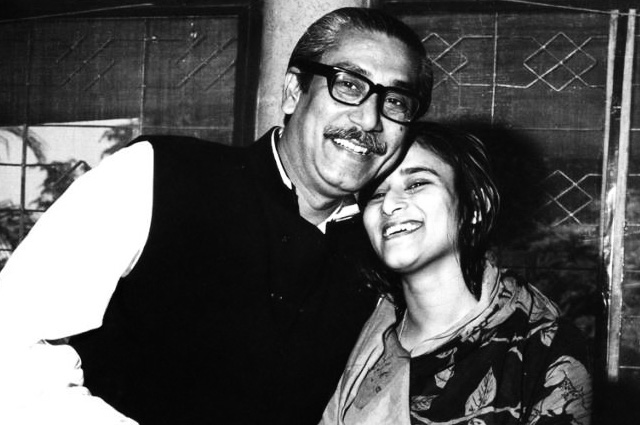
Sheikh Hasina Wajid, the daughter of Bangladesh’s founding father Sheikh Mujibur Rahman, has been a defining figure in the country’s political landscape for the past 15 years. As Prime Minister from 2009 to today 5th of August 2024, Hasina has overseen significant changes in Bangladesh, steering the nation through economic growth, social reforms, and infrastructural development. However, her tenure has not been without controversy, particularly regarding her relationship with the military and the consolidation of power.
Bangladesh is experiencing significant unrest following violent protests initially sparked by a demand to reform the civil service quota system. These protests have evolved into a broader anti-government movement. Over the past weeks, clashes between protesters and government forces have resulted in numerous fatalities and injuries. Prime Minister Sheikh Hasina resigned and fled the country amid escalating violence and pressure. The Bangladeshi Army, led by General Waker-Uz-Zaman, has taken control and imposed a curfew, attempting to restore order.
But still Hasina Wajid has tured the life of Bangladesh and discussed how she made it:
Economic Growth and Development
Under Sheikh Hasina’s leadership, Bangladesh experienced substantial economic growth. Key achievements include:
- GDP Growth: Bangladesh’s GDP growth rate consistently stayed above 6%, peaking at around 8.15% in 2019. This economic surge positioned Bangladesh as one of the fastest-growing economies in the world.
- Poverty Reduction: Poverty rates saw a significant decline, dropping from 31.5% in 2010 to around 20.5% in 2019. This reduction was attributed to various social welfare programs and economic policies aimed at inclusive growth.
- Infrastructure Development: Major infrastructure projects like the Padma Bridge, Metro Rail, and numerous power plants were initiated, transforming the country’s transport and energy sectors.
- Industrial Growth: The Ready-Made Garment (RMG) industry flourished, making Bangladesh the second-largest exporter of garments in the world. This sector became a backbone of the economy, providing employment to millions.
Social Reforms and Human Development
Sheikh Hasina’s tenure was also marked by significant improvements in human development indicators:
- Education: The government implemented policies to achieve near-universal primary school enrollment. Initiatives such as free textbooks and stipends for female students contributed to increased literacy rates and educational attainment.
- Health: Major strides were made in healthcare, resulting in improved life expectancy, reduced infant mortality rates, and better access to healthcare services. Programs targeting maternal and child health were particularly successful.
- Women Empowerment: Hasina’s government promoted gender equality through various legislative measures and social programs, resulting in increased female participation in education, the workforce, and politics.
Governance and Political Landscape
Hasina’s administration was known for its strong stance on maintaining law and order and implementing digital governance:
- Digital Bangladesh Vision: The Digital Bangladesh initiative aimed at transforming the nation into a technologically advanced society by improving digital infrastructure and services, which included e-governance and digital education.
- Anti-Corruption Measures: Efforts were made to tackle corruption, although these initiatives met with mixed results and criticism regarding political bias.
- Political Stability and Challenges: Her tenure saw relative political stability, though it was not without controversy. Accusations of authoritarianism and human rights concerns were raised by opposition parties and international watchdogs.
Relationship with the Military
The support of the military played a nuanced role during Hasina’s tenure. Historically, Bangladesh has experienced military coups and political instability, making the relationship between the government and the military crucial:
- Military Cooperation: Hasina managed to maintain a cooperative relationship with the military, ensuring their support through strategic appointments and involvement in national development projects.
- Avoidance of Conflict: Unlike some of her predecessors, Hasina avoided direct confrontations with the military, which helped maintain political stability and avoid potential coups.
The Resignation: Circumstances and Aftermath
Sheikh Hasina’s resignation came as a surprise to many. Key factors contributing to her decision included:
- Health Concerns: Reports suggested that health issues played a significant role in her decision to step down.
- Political Pressure: Increasing political pressure from opposition parties and international bodies regarding governance and human rights issues might have contributed to her resignation.
- Succession Planning: Ensuring a smooth transition and the stability of her party, the Awami League, could have been a strategic move to safeguard her political legacy.
- Public Unrest: Escalating public unrest and protests demanding political reforms and greater democracy created an environment that necessitated her stepping down to prevent further instability.
Sheikh Hasina’s 15-year tenure as Prime Minister of Bangladesh brought about significant economic, social, and infrastructural developments. While her administration faced criticism and challenges, her impact on the nation’s progress is undeniable. Her resignation marked the end of an era, leaving behind a complex legacy of transformation and controversy.