

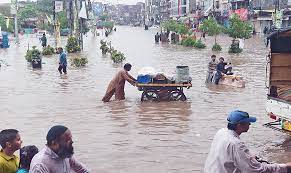
In recent weeks, Pakistan has been grappling with a severe issue that has plagued its cities: urban flooding. The heavy monsoon rains coupled with inadequate infrastructure and poor drainage systems have led to catastrophic consequences, affecting the lives and properties of millions of people across the country.
Cities such as Karachi, Lahore, Rawalpindi, and Peshawar have been particularly hard-hit, with overflowing water inundating residential areas, disrupting transportation networks, and causing significant damage to public and private infrastructure. The situation has brought to light the urgent need for improved urban planning, resilient infrastructure, and efficient disaster management systems.
In Karachi, the country’s largest city, scenes of chaos and devastation have unfolded. Streets have turned into virtual rivers, submerging homes, shops, and vehicles. The lack of proper drainage systems and encroachment on natural waterways have exacerbated the problem, leaving citizens vulnerable to the wrath of monsoon rains.
Similarly, Lahore, the cultural capital of Pakistan, has witnessed a deluge of water inundating its streets and neighborhoods. As the rains intensified, low-lying areas transformed into veritable lakes, disrupting normal life and posing risks to public health. The lack of proper urban planning and the encroachment of water bodies have contributed to the worsening flood situation.
The consequences of urban flooding extend beyond the immediate inconvenience and damage. Loss of lives, damage to property, disruption of essential services such as electricity and water supply, and increased health risks due to waterborne diseases are among the grim realities faced by the affected communities.
Experts and urban planners emphasize that tackling the issue of urban flooding requires a multifaceted approach. Key measures include improving urban infrastructure, constructing robust drainage systems, removing encroachments on natural waterways, and enhancing disaster management capabilities. Long-term solutions, such as sustainable urban planning, climate-resilient architecture, and the implementation of early warning systems, are essential to mitigate the impact of future floods.
The government has recognized the severity of the situation and has vowed to address the root causes of urban flooding. Plans are underway to invest in infrastructure development projects, including the construction of water reservoirs, upgrading drainage systems, and implementing urban flood management strategies. However, the challenges are significant, requiring sustained efforts and allocation of resources to effectively tackle this recurring problem.
Civil society organizations, volunteers, and citizens are also playing a vital role in providing immediate relief and support to the affected communities. From rescue operations to distributing food and essential supplies, their efforts demonstrate the resilience and unity of the Pakistani people in the face of adversity.
As Pakistan grapples with the aftermath of urban flooding, it serves as a wake-up call to prioritize sustainable urban planning, invest in resilient infrastructure, and strengthen disaster management capabilities. Only through a concerted and collaborative effort can the nation effectively tackle the challenges posed by urban flooding and create cities that are safe, livable, and resilient to the impacts of climate change.
In the coming months, it is crucial for all stakeholders to work together to implement sustainable solutions, ensure adequate funding, and raise awareness about the importance of preparedness and resilience in the face of future flood events. By taking proactive measures, Pakistan can minimize the human suffering caused by urban flooding and pave the way for a safer and more prosperous future.