
Here’s Everything You Need to Know About Rabies Prevention and Vaccination in Pakistan
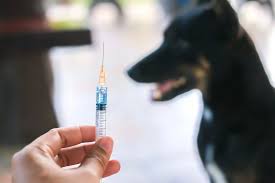
Rabies is a viral and incurable zoonotic disease that affects the brain and nervous system, because of which it is virtually 100 percent fatal, but the good news is that it is vaccine-preventable!
Dr. Mohammad Awais, who works at Pets and Vets Hospital Bahria Town and is one of Rawalpindi’s most popular small animal veterinary surgeons, says that despite the availability of vaccines for both animals and humans, rabies ironically remainsone of the most under-reported diseases that can even be transmitted to all mammals, including your pets.
He recommends the standard rabies vaccine program for all pets, which is great, but Pakistan has another problem – its huge population of stray and street animals that are all equally susceptible to rabies.
Owing to the lack of community-level and nationwide TNVR (Trap, Neuter, Vaccinate, and Return) programs, feral and street dogs are often victims of unnecessary and brutal culling, which,despite being either restricted or banned (depending on your local authorities), continues unchecked.
Zufishan Anushay, the founder of the Justice for Kiki (JFK) Animal Rescue and Shelter in Lahore, runs extensive and active stray animal rescue and treatment programs, and says that she has only come across one rabid dog in the last five years.
She hates that street dogs get a bad rap and are often mislabeled as being rabid purely out of hatred, which not only makes things difficult for her team but also for animals and results in mass cullings by government departments.
Highlighting the core problems of widespread ignorance and zoophobia among Pakistanis, Zufishan Anushay says that “if they see an animal panting, scared, or simply barking, they think it’s rabies.”
Dr. Effrah Ejaz, the Veterinarian In-charge at the Capital Development Authority’s (CDA) Stray Dog Population Control Center (SDPCC) also stated that it receives only one rabies case in 200 dogs on average.
This seems strange, given that the WHO has declared that “dogs are the source of 99% of human rabies deaths.”
Why dogs when all mammals can be equally infected? According to Dr. Ejaz, it’s a matter of environment as feral dogs “are more exposed to external or wild environments and are at a greater risk of contracting rabies than indoor dogs.”
So, what’s missing here? Primarily the lack of awareness of rabies vaccinations for animals and humans besides the fact that rabies cases are almost always unreported at clinics because it is nearly impossible to capture a rabid animal and most owners prefer to care for them at home, Dr. Awais revealed.
Almost all human rabies cases are fatal and all rabid animals have to be euthanized “to save them from excruciating pain,” DrEjaz says. Meanwhile, Zufishan Anushay advocates for it to be done as humanely as possible and only by trained professionals and vets.
Although the WHO says that rabies is a “neglected disease in Pakistan,” it shouldn’t be after today, which is World Rabies Day.
What Should You Do If Your Pet Has Been Exposed to Rabies?
Dr. Awais stresses that of the two rabies vaccination programs available for pets in Pakistan, the most commonly practiced and recommended one for cats and dogs includes a vaccine dose thatis first administered when the animal is three months (90 days) old, after which it has to be kept in confinement for 21 days to prevent exposure to the lyssavirus. This is followed by a second dose of the vaccine 21 days later and with a booster shot after a year.
He adds that if you have a new pet that is of indeterminate or adult age and you don’t have its vaccination records, you should still follow the same vaccination program and the booster must be administered every year in both cases.
If your pet is unvaccinated and returns after escaping outdoors or if you come across an injured feral animal and decide to rescue it, there is a good chance that it was bitten by a rabid animal. In such situations, Dr. Awais urges getting them vaccinated regardless and keeping them under observation for three to six months for symptoms of rabies because the vaccine cannot treat an infection. If the animal exhibits symptoms within this period, the only option is euthanasia, he warns.
He also clarified that if your pet’s second or booster vaccination shots have been delayed and you suspect that it may have been exposed to the rabies virus, you need to get it vaccinated again, followed by observation in strict quarantine conditions for four to six months.
How to Prevent Your Pet from Getting Rabies
Dr. Awais outlines the following steps:
What to Do If You or Your Child Are Bitten by a Stray Animal
Dr. Awais disclosed that vets often get asked this question and opined that it is crucial to raise awareness that rabies vaccinations are available for both animals and humans.
He said that previously (when Pakistan’s medical system was underdeveloped), if a person was bitten by a stray dog, the only treatment was 14 painful injections in the abdomen, but this is no longer practiced. Rabies vaccines are now administered intramuscularly in the upper arm (adults) or upper thigh (young children) and the misconception must be cleared because it prevents people from getting vaccinated against rabies anyway.
According to the Mayo Clinic, vets, people who work (and live) with animals or are traveling to a country where rabies is common, must get three doses on three different days within a one-month period. People who have already received the vaccine and have been exposed to the rabies virus, only need two doses on two different days within a one-month period. However, an unvaccinated individual who has been exposed to the virus needs five doses on five different days within one month in addition to a shot of rabies immune globulin.
Dr. Awais also recommends following the WHO and American CDC guidelines in this regard, and says it’s better to get yourself vaccinated with boosters before and during potential exposure to the virus because it is difficult and expensive to get the vaccine in Pakistan.
He added that if your indoor pet has been vaccinated completely and bites you, or if it goes outside and is exposed to tetanus bacteria in mud and grass, all you will need to get for yourself is a tetanus vaccine instead of a rabies vaccine.
Dr. Ejaz also believes that prevention is better than cure. “As a vet, I urge people to get the anti-rabies vaccination. Rabies is not only transmitted by dogs. Multiple other animals carry the virus. Although vaccinating dogs can save a lot, but we must get ourselves vaccinated ourselves as well to eradicate it completely,” she advises.
“As responsible citizens, it is the duty of all pet owners to properly vaccinate their pets in all areas. This will help prevent the spread of disease by breaking the chain somewhere,” she added.
What Can People Do When They Suspect Rabies Cases?
Dr. Ejaz encourages everyone to cooperate with and respect welfare workers and veterinarians working with non-pet animals for the betterment of society.
“People should also immediately notify the authorities about suspected rabies cases and should reduce the contact rates of suspected animals by strictly confining them,” she says.
Dr. Ejaz also includes dog breeders in her warnings and says that they must follow the quarantine protocols as well.
“Administer vaccines to all creatures susceptible to rabies as much as you can to cooperate with society,” she pleads.
What Can Communities and the Authorities do to Prevent Rabies?
Zufishan Anushay thinks that it is extremely important for them to hold vaccination programs for both stray animals and pets, and that pharmaceutical companies should provide free rabies vaccines to shelters, NGOs, and various other organizations to help more animals and citizens in the battle for a rabies-free Pakistan.
“Spreading awareness about rabies in Pakistan is crucial becausemost people don’t even know what it is, how it spreads, how it can be prevented, and how it can be dealt with. Awareness camps should be conducted regularly to educate people about it, and vaccination drives should be conducted area-wise and dogs should be identified,” she suggests.
Zufishan Anushay also says that if you have pets, you should “visit the vet regularly and get them vaccinated against rabies. Try to get the stray animals around your area vaccinated, too. And most importantly, vaccinate yourself if you interact regularly with animals.