UN Funds Empower Women’s Organizations to Combat Violence Globally
Targeted support strengthens women’s safety, digital protection, and community resilience in conflict and crisis zones.

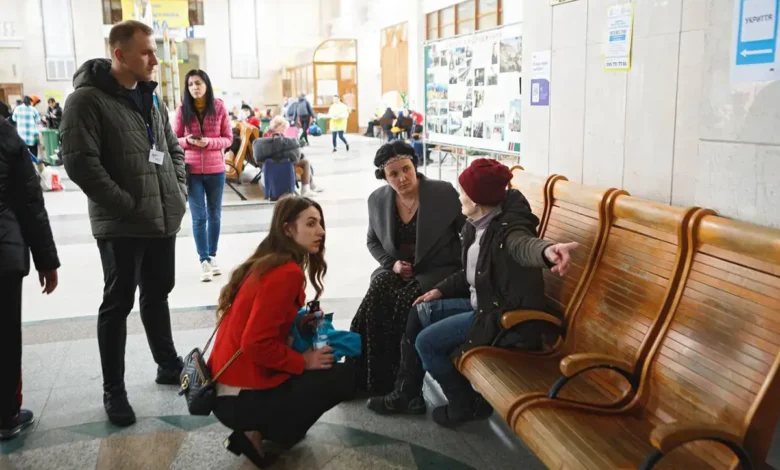
Across the world, women face threats to their safety and dignity in homes, communities, and online spaces. In Palestine, Mariam* experienced blackmail after non-consensual photos were taken of her, while in Papua New Guinea, Lilly* feared returning home due to domestic violence and isolation from digital resources. In Ukraine, Iryna*, living with HIV and a survivor of sexual violence, was displaced and cut off from essential support services during the full-scale war. These stories, though geographically diverse, highlight the persistent risks women face and the crucial role of digital and community-based support systems.
Local women’s organizations are often the first line of defense against such threats, providing safe spaces, psychosocial support, and legal assistance. Funding from the UN Trust Fund to End Violence against Women and Girls (UN Trust Fund) and the United Nations Women’s Peace and Humanitarian Fund (WPHF) is critical in sustaining and scaling these efforts. Their complementary approaches ensure that women’s organizations can respond immediately in crises while building long-term resilience.
In Ukraine, the Ukrainian Foundation for Public Health (UFPH) leveraged prior support from the UN Trust Fund to strengthen services for women living with HIV, internally displaced women, and survivors of violence. When war erupted, UFPH rapidly activated these networks with WPHF and UN Women, creating the Safe Women Hub. This online platform offers mental health support, referrals, and temporary shelter, ensuring survivors like Iryna* receive help despite conflict disruptions.
In Palestine, the Rural Women’s Development Society (RWDS) has maintained 58 women’s clubs for over 40 years, providing safe spaces and vital services for women facing violence. With support from WPHF and the UN Trust Fund, RWDS has expanded its efforts to include digital safety, training community leaders and collaborating with cybercrime units to prevent online harassment and blackmail. For Mariam*, these interventions offered a lifeline, allowing her to access psychological support and remove non-consensual photos online.
In Papua New Guinea, grassroots organizations such as Voice for Change (VfC) are reshaping community approaches to gender-based violence. UN Trust Fund support allowed VfC to improve safety in markets, develop provincial gender-based violence strategies, and form networks of women human rights defenders. WPHF’s flexible funding has strengthened these networks, enhancing Family Safety Committees, improving survivor referral pathways, and addressing digital harassment. Lilly* benefits directly from these initiatives, gaining safer public spaces and access to critical resources.
These initiatives demonstrate that sustained investment in women-led organizations, combined with flexible and crisis-responsive funding, builds a robust ecosystem of protection and resilience. By complementing long-term capacity building with agile, on-the-ground support, the UN Trust Fund and WPHF ensure that women’s organizations can meet both immediate and emerging threats, including digital violence.
Ultimately, these partnerships turn response into resilience. They provide survivor-centered services, empower communities, and strengthen institutional capacity to address gender-based violence across contexts. By supporting local women’s organizations, the UN and its partners are helping women like Mariam, Lilly, and Iryna* reclaim safety, dignity, and agency, showing that targeted, coordinated funding can transform lives and protect women in even the most challenging circumstances.