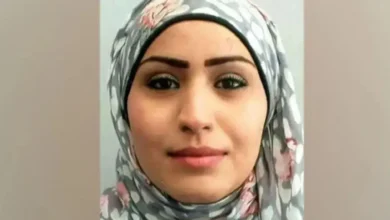

Malala Yousafzai, the youngest recipient of the Nobel Peace Prize in history, and two other Pakistani women are included in the British Broadcasting Corporation’s (BBC) 100 women list, which features notable and inspirational women from around the globe.
It is noteworthy that women who are “resetting”—reinventing society, culture, and the world—are featured on the British broadcaster’s list of 2021. The other Pakistani women on the list include Malala, disability activist Abia Akram, and Mother Camp founder Laila Haidari.
According to the BCC, “half of this year’s list consists of women from Afghanistan, some of whom appear under pseudonyms and without photos for their own safety.”
Notable figures include renowned author Chimamanda Ngozi Adichie, Professor Heidi J. Larson, the leader of The Vaccine Confidence Project, Fiamē Naomi Mata’afa, Samoa’s first female prime minister, and others.
Malala Yousafzai
Since she was eleven years old, Malala has advocated for young women’s access to education. She is also a United Nations peace messenger.
Her activism started with blogs she wrote for the BBC about life in Pakistan under Taliban control and the prohibition on girls going to school. A gunman searched for her on her bus in October 2012.
As co-founder of the nonprofit Malala Fund, Malala has carried out her work after her recovery, “aiming to build a world where every girl can learn and lead without fear.”
Abia Akram
In 1997, while still a student, she founded the Special Talent Exchange Programme (Step), becoming an activist in the disability movement.
She is the first Pakistani woman to be nominated for the Commonwealth Young Disabled People’s Forum Coordinator position. The National Forum of Women with Disabilities was founded by Akram, who has advocated for the UN Convention on the Rights of Persons with Disabilities and Inclusive Development’s implementation, according to the BBC.
Additionally, Akram is attempting to incorporate disability into the Sustainable Development Goals and the 2030 Agenda of the United Nations.
Laila Haidari
Included in the Science and Health category, Haidari has assisted around 6,400 Afghan citizens since 2010 through her drug rehabilitation facility, Mother Camp, which she founded in Kabul.
The woman had used her money to launch the camp, which she had funded by opening a restaurant. However, the restaurant closed in mid-August when the Taliban took control of Kabul. The restaurant was operated by ex-addicts.
The family of Haidari is from Bamyan in Afghanistan. She was, nevertheless, born in Pakistan as a refugee. She was a child bride, having been married at the age of twelve, and is a strong supporter of women’s rights.