Women Lead the Way in Almaty Tourism Revolution
The UN Tourism Conference in Almaty marks a milestone for gender equality in tourism, uniting leaders to empower women and reshape the industry’s global future.

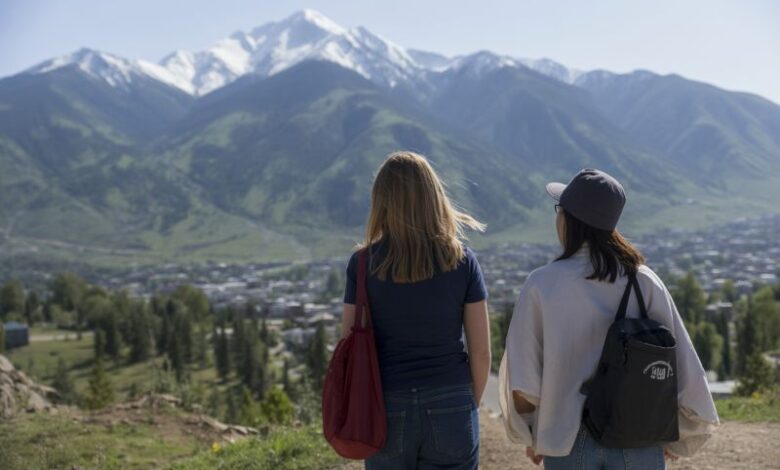
The first United Nations Tourism Regional Conference on the Empowerment of Women in Tourism in Europe was held in Almaty, Kazakhstan, on October 22–23, 2025, bringing together nearly 400 participants from across the world. Organized by the Almaty Tourism Bureau, Kazakh Tourism, UN Tourism, and the Ministry of Tourism and Sports, the event served as a powerful platform to address the gender imbalance in tourism and the barriers women face in the industry.
During the two-day conference, discussions focused on critical issues such as the digital divide, the unequal distribution of work, and women’s often overlooked contributions to tourism. These conversations underscored the urgent need to integrate gender equality into the sector’s development.
Nurtas Karipbaev, Chairman of the Committee for Tourism Industry at the Ministry of Tourism and Sports, emphasized that tourism plays a dual role in Kazakhstan—as both an economic driver and a social tool for preserving cultural heritage and creativity. With over 12 million international visitors in the first nine months of 2025, Kazakhstan’s tourism growth continues to climb. Karipbaev highlighted the government’s Tourism Development Concept 2029, which aims to strengthen global cooperation and sustainable progress.
Kazakhstan currently ranks 57th in the global tourism development index, and Almaty has emerged as a regional hub for innovation and inclusivity. Diyar Askarov, Director of the Almaty Tourism Bureau, reaffirmed the city’s dedication to empowering women through opportunity and education. He emphasized that women’s leadership is not only essential for inclusivity but also for driving innovation and sustainability in Almaty’s tourism industry.
The UN Tourism Executive Director, Zoritsa Urosevic, reinforced this vision, highlighting that the global tourism sector has rebounded beyond pre-pandemic levels, presenting an opportunity to ensure equal benefits for all. She emphasized that the growth of international tourism must go hand in hand with women’s empowerment and safety, calling for a world where women can travel and lead without barriers.
One of the most significant outcomes of the event was the adoption of the Almaty Call to Action for Women’s Empowerment in Tourism. This framework includes key strategies to reduce the gender pay gap, promote women’s entrepreneurship, and ensure safer workplaces through strong anti-harassment policies. It also advocates for women’s participation in leadership and technical roles and calls for improved access to education in science and technology.
Globally, women make up 54% of the tourism workforce—more than in most other sectors—but still face a pay gap and limited representation in leadership roles. In Europe, they represent over half of the workforce in hospitality and accommodation, yet remain concentrated in lower-paid positions. UN Tourism data shows that while progress has been made, women in tourism still earn about 14.7% less than men, underscoring the persistent inequality across the sector.
In Central Asia, community-based initiatives such as women’s cooperatives, mentorship networks, and entrepreneurship programs are empowering women to take on leadership roles and shape the future of regional tourism. These efforts are strengthening women’s voices and creating pathways for equal participation.
The Almaty conference demonstrated that empowering women is not just a matter of fairness—it is a necessity for innovation, sustainability, and growth. By promoting gender equality, tourism becomes more inclusive, offering richer, more diverse experiences to travelers. The Almaty Call to Action sets a precedent for future global initiatives, proving that when women lead, the entire industry thrives.
Sustainable tourism will only be achieved when women are not just participants but leaders and decision-makers. The discussions and commitments made in Almaty are paving the way for a more balanced, inclusive, and forward-looking tourism industry—one where women stand at its very heart.