


Millions of women have used the contraceptive implant, although opinions regarding its benefits and drawbacks differ. In this post, we shall examine these benefits and disadvantages in depth. Selecting a birth control method might be challenging. Choosing the best kind of birth control for you can be aided by being aware of your options and the benefits and drawbacks of the various techniques. To find out more about the advantages and disadvantages of every birth control option, please keep reading.
Implants for contraception have advantages.
The following are some benefits of contraceptive implants:
- High efficacy of up to 99% after seven days of implant placement
- Extremely affordable long-term contraceptive option, similar to intrauterine devices
- Most women feel safe.
- Effectiveness for three years in the absence of further care
- Most of the time, it is easily removed to allow for a natural pregnancy
- Regardless of the user’s memory, schedule, or sexual activity, it offers continuous contraception.
- offers user confidentiality and is easy to implement
- Safe to use when nursing
- Often relieves dysmenorrhea and menorrhagia
- One in five women with implants experience amenorrhoea, which is frequently seen as an advantage.
- Thick cervical mucus, which keeps bacteria from climbing from the vagina into the uterus, lowers
- The risk of pelvic inflammatory illness. It is also appropriate in situations when using combined
- Hormonal contraception is not permitted.
- Fertility quickly returns within 21 days of implant removal
- Some women report that their acne clears up after using the implant.
- Some defence against malignancies of the endometrium
- The drawbacks of implanted contraceptives
The following are some drawbacks of the contraceptive implant:
- It provides no defence against STIs or sexually transmitted illnesses.
- Interaction with anticonvulsants, certain antibiotics, or St. John’s wort may happen. Not all
- circumstances will allow for immediate protection; in those cases, an alternative effective method of contraception must be used for at least seven days after insertion.
Minor adverse consequences
Among them are:
1. An irregular menstrual cycle
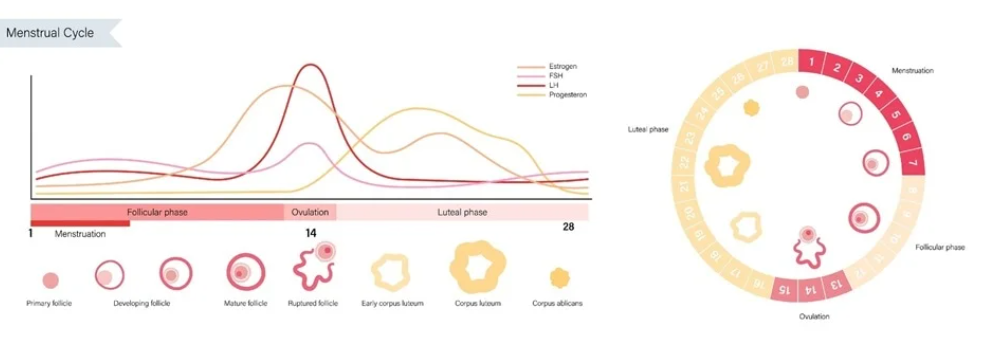
Changes to a regular menstrual rhythm are the most frequent and problematic side effects of contraceptive implants. For this reason, about 10% of women give up using this procedure. These alterations start appearing during the first three months following implant placement and predict the patient’s future bleeding trajectory. To rule out ectopic gestation, pregnancy, or medical issues, women who get the implant should be informed about what to expect and encouraged to visit for assessment if unusual bleeding patterns occur. Among the modifications are:
- The amenorrhoea
- little or sporadic bleeding
- recurring episodes of bleeding (more than five in 90 days)
- Weeks of nonstop bleeding (greater than 14 days)
- Periodically, menorrhagia
2. Over 13% of people have acne.
3. Thirteen per cent report having breast soreness, enlargement, discharge from the nipples, and vulvae pruritus.
4. 11% reported having stomach ache
5. Eleven percent had pharyngitis
6. 10% of cases had leukorrhea
- Five per cent of women may have bruising, localised pain or irritation, paresthesia, fibrosis, infection at the location, or scarring after insertion.
- Gained weight: 15% of women who receive the implant experience noticeable weight gain; after a year, the average is about 3 pounds, and after two years, it is over 4 pounds. This signal has a removal rate of less than 3%.
- Vaginal dryness was reported by nearly 15% of women who used the implant.
- Twenty-five per cent of women with implants get headaches.
- Other reported complaints include mood swings, dizziness, dysmenorrhea, back pain, mental instability, nausea, and hypersensitivity reactions.
Major issues with implants used for contraception
Problems with insertion
The implant may move out of the insertion site as it is placed in the arm. When something is implanted deeper than the subcutaneous plane, it can occasionally result in this.
Migration
There is a possibility of migration in the arm blood arteries, and there have been cases of migration into the pulmonary artery. In these situations, unintentional intravascular implantation might have happened. Endovascular removal and deep surgery may be necessary in such circumstances.
High blood pressure
Women with a history of hypertension, particularly if there have been difficulties, should not use hormonal contraception. However, if the hypertension is effectively managed and closely monitored, progestin-only implants may be used. Removal is required if there are persistent or uncontrollably high blood pressure readings during the implant time.
Implants that are not palpable
These are not optimal and must be imaged and located as soon as feasible. Once the position is established, an early removal should be planned; exploring an implant without knowing where it is is risky and should never be done. Erroneous implant placement could lead to protracted infertility, ectopic pregnancy, or unfavourable progestin side effects if the implant is not removed.
Reactions anaphylactic
Skin and subcutaneous tissue oedema are among the known cases.
Ectopic pregnancy
frequently happen if women get pregnant while the implant is in place (which is very unusual).
Vascular Occurrences
Combining oral contraceptives has been linked to an increased risk of retinal artery thrombosis and other vascular thrombosis and infarctions. Contraceptive implants, on the other hand, solely contain progestin. Arterial or venous thromboses and venous thromboembolism, including pulmonary, deep leg vein, cardiac, and cerebrovascular events, have been recorded; however, it is still unknown if they carry the same increased risk.
It is not recommended to use contraceptive implants if such incidents have occurred in the past. Their presence demands that they be eliminated right away.
Apply throughout the postpartum phase.
The implant should be placed as soon as possible after childbirth, 21 days, to lower the risk of thromboembolism related to pregnancy and delivery.
Cysts on the ovaries
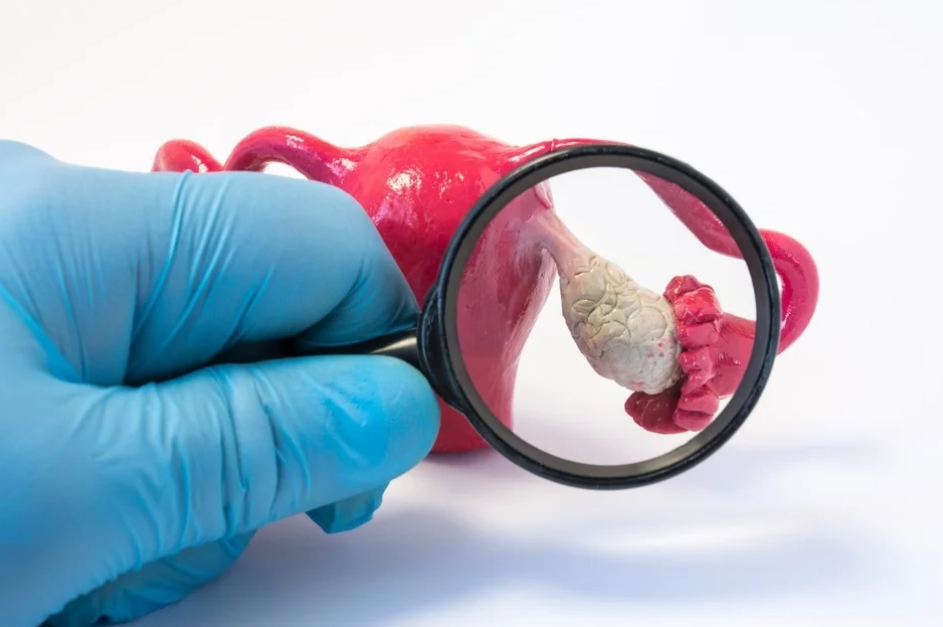
Low-dose progestin’s sustained release typically inhibits the ovaries’ ability to generate new follicles. A follicle may expand past the size of a typical mature follicle if it manages to elude this inhibition. This could result in a follicular cyst. Although they usually go away independently, surgical removal is not always necessary.
Malignancies of the reproductive organs
Due to the tumours’ known sensitivity to sex hormones, women with a history of breast cancer should not use hormonal contraception. Women who have implants with a family history of breast development or cancer should be constantly monitored, even though progestin-only implants are unlikely to cause the same type of malignant alteration.
Illness of the liver
If a liver function test results are initially abnormal, repeat the test. Jaundice is typically a sign that the implant has to be removed. Combining oral contraceptives increases the incidence of hepatic adenomas; however, progestin-only implants have no known risk. On the other hand, liver damage might extend the period that the implant releases progestin; as a result, active hepatitis or liver cancer is a strict no-no for implant implantation.
Gallbladder illness
The risk of gallstones or cholecystitis after using hormonal contraception is known; however, it is minimal. It is also unknown if there are comparable hazards for those who use progestin-only implants.
Impacts on the metabolism of fats and carbohydrates
Implants containing just progestin have the potential to induce insulin resistance and moderate hyperglycemia, but their importance is uncertain. Women who use the implant and have diabetes or prediabetes should, therefore, be closely monitored. In rare instances, it also results in hyperlipidemia.
Low spirits
Before using this approach, women who have a history of depression should be well-screened, and if depression sets in, it is strongly urged that they stop using it.
Fast return of ovulation
Within one week of removal, progestin levels drop to undetectable levels, and within one to two weeks, pregnancies have been documented. Therefore, if the lady does not want to become pregnant, alternative forms of contraception should be used right away.
Retention of fluids
Hormonal contraceptives have a slight tendency to cause fluid retention. Thus, women with heart or kidney problems may not be able to use them since increased fluid retention could exacerbate their illnesses. In these kinds of circumstances, careful observation is necessary.
The implant is cracked or twisted.
A fractured or bent rod may be present after a difficult insertion or removal, linked to a slightly greater rate of progestin release.
Diseases of the nervous system and mind
Rarely, there are associations between progestin implants and symptoms like anxiety, drowsiness, libido loss, seizures, and headaches.