Taliban Ban on Female Nurses Threatens Lives of Afghan Women and Babies
Dr. Najmussama Shefajo raises alarm as Taliban ban on female nursing and midwife training endangers women’s healthcare in Afghanistan.

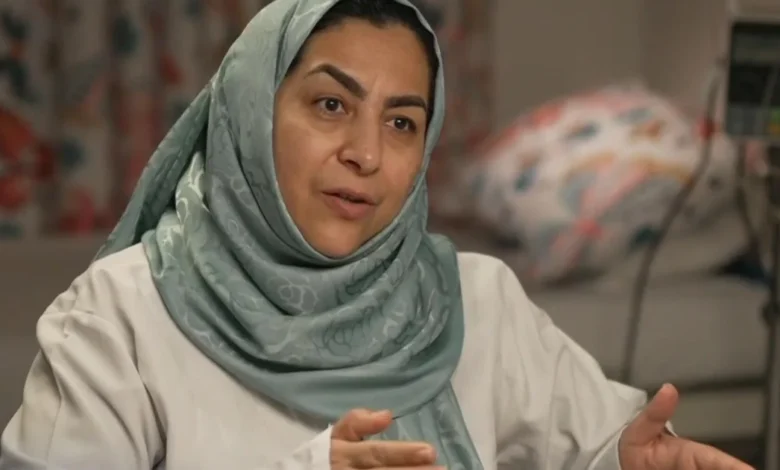
Dr. Najmussama Shefajo, an Afghan OB-GYN, has issued a stark warning about the dire consequences facing women’s healthcare in Afghanistan due to the Taliban’s recent ban on female nursing and midwife training courses. Since the ban was enforced in December, her clinic has been overwhelmed with patients, many facing life-threatening complications that could have been prevented with proper care.
The prohibition on educating the next generation of female nurses and midwives is causing a critical shortage of skilled healthcare workers. “If this policy continues, many women will die because they won’t have access to trusted, female healthcare providers during pregnancy and childbirth,” Dr. Shefajo told Imtiaz Tyab.
In a society where cultural norms restrict women from receiving medical care from men, female nurses and midwives play an essential role in saving lives and ensuring safe deliveries. With this ban, the healthcare system is losing vital professionals who understand women’s needs and provide culturally sensitive care.
Dr. Shefajo’s clinic, located in Kabul, has become a last refuge for women seeking obstetric care. The influx of patients has strained resources and staff, and the situation grows more precarious by the day. Many women now delay or avoid seeking medical help, fearing a lack of qualified female caregivers.
The ban not only threatens maternal health but also jeopardizes newborn survival. Midwives are critical in monitoring pregnancies, managing complications, and providing postnatal care that can prevent infections and other fatal conditions.
International health experts warn that without immediate reversal of these policies, Afghanistan’s maternal mortality rate, already one of the highest globally, will spike dramatically. “This ban is a crisis within a crisis,” Dr. Shefajo emphasized. “It undermines decades of progress in women’s health.”
Despite the challenges, Dr. Shefajo and her colleagues continue to provide care under difficult circumstances. They urge the global community to support Afghan women by pressuring the Taliban to reinstate nursing and midwifery education programs.
The future of women’s healthcare in Afghanistan hangs in the balance. Dr. Shefajo’s warning is clear: without investment in training and empowering female health workers, countless women and infants will pay the ultimate price.