Reproductive Autonomy Still Out of Reach for Many Women in Pakistan, Says UNFPA
With one in three women able to decide on their reproductive health, UNFPA urges Pakistan to prioritize rights-based, gender-equal policies in addressing fertility and population challenges.

Despite being home to one of the world’s youngest populations, Pakistan continues to face serious challenges in ensuring reproductive autonomy for women and girls. According to UNFPA’s State of World Population Report 2025, titled “The Real Fertility Crisis: The Pursuit of Reproductive Agency in a Changing World”, just one in three women in Pakistan have the power to make decisions about their reproductive health.
The report paints a sobering picture. In a country where 67% of the population is under the age of 30, many women and girls still struggle to access family planning services and make choices about their bodies and futures.
Key data from Pakistan reveals:
-
Every 45 minutes, a mother dies from a pregnancy-related cause.
-
41 births per 1,000 adolescent girls aged 15–19 are recorded annually.
-
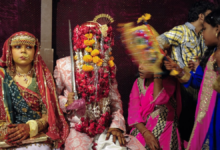
18% of women are married before turning 18.
-
Only 32% of married women aged 15–49 use modern contraception.
-
16% of women have an unmet need for family planning.
These figures underscore the pressing need for reproductive agency — the ability of individuals to freely and confidently make decisions about if, when, and how many children to have.
Globally, UNFPA and YouGov’s survey across 14 countries — representing over one-third of the world’s population — shows:
-
1 in 5 people expect not to have the number of children they want.
-
More than half cite economic constraints as a key barrier to having children.
-
1 in 3 adults report experiencing an unintended pregnancy.
-
11% say caregiving burdens prevent them from expanding their families.
-
40% of adults over 50 say they never achieved their desired family size.
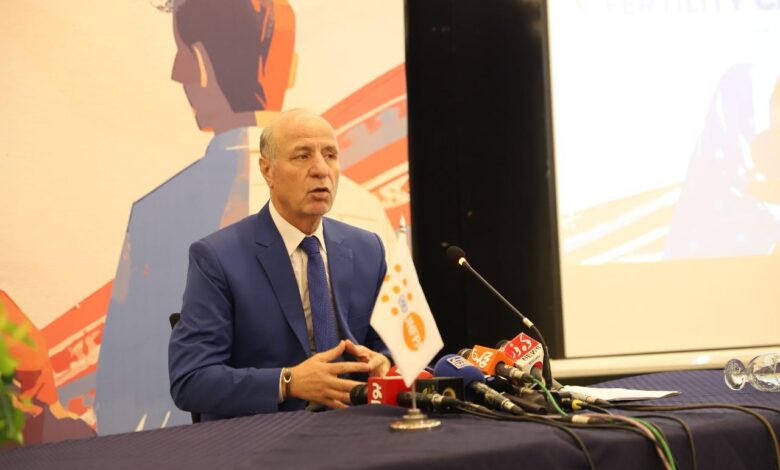
Dr. Luay Shabaneh, UNFPA Representative in Pakistan, stressed that reproductive choice must be a right — not a privilege. “Every couple must have the power to decide on their families, supported by strong systems and inclusive policies,” he said. “Investing in education, employment, and access to health services will unlock the full potential of Pakistan’s youth and deepen the country’s human capital.”
UNFPA warns against imposing fertility targets or coercive birth-rate policies. Such approaches not only violate human rights but also fail to address the root causes of low fertility or poor reproductive health outcomes.
Instead, the report calls for a rights-based approach that includes:
-
Accessible, accurate reproductive health information
-
Affordable family planning and maternal care
-
Gender-equitable economic and caregiving policies
-
Legal protections against early marriage and reproductive coercion
With a rapidly evolving population landscape, Pakistan must embrace policies that empower people to make informed, free choices about their lives. True progress lies in enabling every woman and man — especially the youth — to shape their families, futures, and full potential.