
Mrs: A Mirror to India’s Unpaid Labor Crisis for Women
A Bollywood film reignites debates on gender roles, unpaid domestic labor, and the silent struggles of women in educated households. How much has really changed?

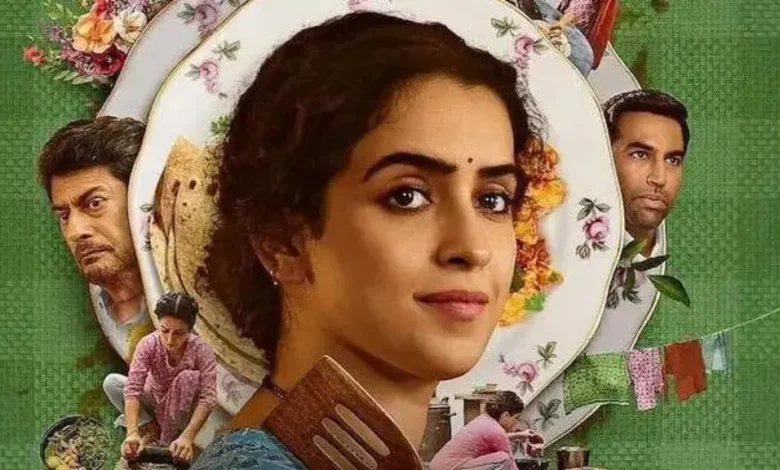
Bollywood’s latest release Mrs has once again shone a light on an uncomfortable truth—despite education and modernization, Indian women continue to be trapped in unpaid domestic labor. The film, a remake of the Malayalam hit The Great Indian Kitchen, follows a woman married to a gynecologist who finds herself stuck in an endless cycle of cooking, cleaning, and caregiving. Not through force, but through subtle coercion, societal expectations, and relentless criticism.
While the film has sparked important conversations, it has also received pushback—mainly from men on social media—who feel it portrays traditional families in a negative light. But beyond online debates, hard data reinforces the film’s core message.
The Reality of Unpaid Domestic Work
According to the latest Time Use Survey (TUS) released by the Indian government, women spend over seven hours a day on unpaid domestic and caregiving work—more than twice the time men do. Women dedicate approximately 289 minutes daily to household chores and 137 minutes to caregiving, while men spend only 88 minutes on chores and 75 minutes on care work.
This imbalance isn’t new. The last survey, conducted six years ago, showed nearly identical figures, proving that despite campaigns to empower women, little has changed. Women continue to shoulder the burden of household work, often at the cost of their personal aspirations and financial independence.
Does Employment Change the Equation?
The government highlighted two key shifts from the latest survey: a 10-minute reduction in unpaid domestic work for women and a slight increase in their participation in paid employment. Officials framed this as a positive sign of women moving from unpaid labor to paid jobs.
However, economists argue this shift is misleading. The increase in female labor force participation (from 23% in 2017-2018 to 37% in 2022-2023) isn’t necessarily a sign of greater opportunity but rather a response to economic distress. Women are not waiting for their domestic workload to decrease before seeking jobs. Instead, they juggle both—working long hours at paid jobs while still managing household responsibilities. This “double shift” leaves them with little time for themselves.
Patriarchy’s Stronghold in Indian Households
The burden of unpaid labor is a global issue, but the gap is significantly wider in India. While globally, women spend about 2.8 hours more than men on domestic and care work, in India, the difference is close to four hours.
Sociologists attribute this to India’s deeply patriarchal culture, where even among educated families, strict gender roles persist. Women are not only expected to take care of the home but are often praised for their sacrifices rather than their achievements.
Mumbai-based comedian Kajol Srinivasan highlights this disparity with a personal anecdote. When her father quit his job to manage the household while her mother continued working, he initially enjoyed the experience—cooking elaborate meals and deep-cleaning the house. However, within a week, he found it tedious and exhausting.
“My father realized housework wasn’t just labor—it was about power. The breadwinner always holds the power, no matter how much effort goes into running a household,” she says.
Films That Force Society to Reflect
Despite the criticism, Mrs has succeeded in igniting a conversation that many prefer to avoid. It forces audiences to ask uncomfortable questions: Who does the dishes? Who sacrifices their dreams? And why is unpaid domestic work still considered a woman’s duty?
Change is slow, but discussions like these push the needle forward. Perhaps one day, films about gender roles won’t feel radical—they’ll just reflect an equal society.