How Education and Empowerment Are Shaping Pakistan’s Working Women
With only 20% of Pakistani women in the workforce, stories like Dr. Sobia Yaqub's prove that education and support can challenge tradition and drive gender-inclusive progress.

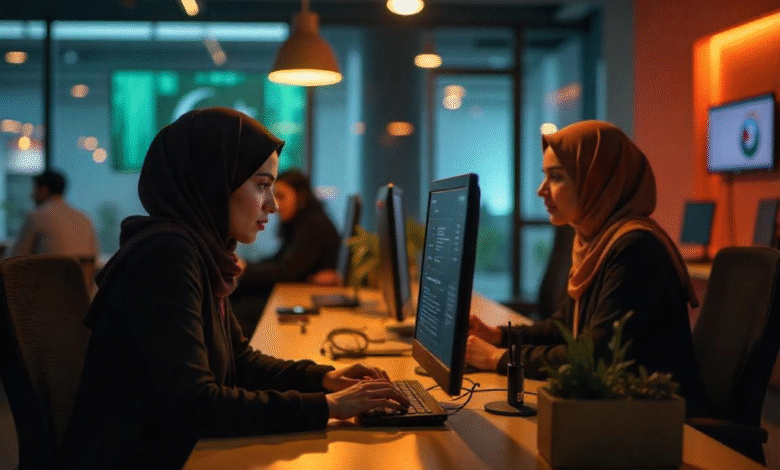
In Pakistan, just 20–23% of women participate in the workforce, reflecting deeply rooted cultural and structural challenges. Yet, change is underway — and Dr. Sobia Yaqub’s story is proof that empowered women are rewriting the script.
An accomplished oncologist and university lecturer based in Lahore, Dr. Yaqub’s journey is one of resilience. Despite social norms and family expectations that traditionally limited women to domestic roles, she carved her path through determination and the power of education.
“It wasn’t easy,” she recalls, reflecting on the early years of her medical career. “You constantly feel the pressure to conform, to stay quiet, to step back — but I knew I had more to offer.”
Dr. Yaqub is a proud alumna of Care School, part of a network of nearly 900 institutions offering free, quality education to underprivileged children in Pakistan. These schools are not only building academic foundations but also challenging gender biases in communities where girls’ education was once dismissed as unnecessary.
The impact is clear. Education remains the single most powerful tool to uplift women and enable them to pursue meaningful careers. Teachers and families now increasingly support girls’ aspirations, recognizing their role in driving national progress — socially and economically.
Women like Seema Aziz, founder of Care Foundation, and Maria Umar, a trailblazing educator and entrepreneur, have also played a crucial role. By building platforms for women to learn, earn, and grow, they’ve inspired a generation of female professionals who are now challenging norms and making their mark.
Can Pakistan Improve Its Female Employment Rate?
Absolutely — but it requires bold, multi-layered efforts:
-
Prioritize education for girls, especially in rural and low-income areas.
-
Invest in mentorship programs that support women entering or re-entering the workforce.
-
Challenge social norms that discourage female employment, especially in male-dominated industries.
-
Encourage role models and leadership visibility to inspire younger generations.
As mindsets shift and support systems grow stronger, Pakistan has the potential to increase women’s labor force participation well beyond 23% — unlocking untapped economic power and progress.
Dr. Sobia Yaqub’s story is not just about one woman’s rise — it’s a glimpse into what Pakistan can achieve when women are educated, empowered, and given the chance to thrive.