Latvia Withdraws from Istanbul Convention on Women’s Rights
Latvia becomes the second nation to exit the Istanbul Convention, sparking widespread protests and raising concerns over women’s safety and gender equality in Europe.

Latvia’s parliament has voted to withdraw from the Istanbul Convention, a landmark international treaty aimed at preventing and combating violence against women. The decision makes Latvia only the second country, after Turkey, to withdraw from the agreement — a move that has triggered national protests and widespread condemnation from human rights advocates across Europe.
The Istanbul Convention, established by the Council of Europe in 2011, defines violence against women as a violation of human rights and seeks to address issues such as domestic abuse, sexual assault, and gender-based discrimination. It calls on member states to implement strict legal measures and social reforms to protect women and promote gender equality.
Latvia ratified the convention in 2023 after years of debate, joining most European Union countries in committing to the treaty’s principles. However, on Thursday, the Latvian parliament voted 56 to 100 in favor of withdrawal. The decision came after the Greens and Farmers Union, a conservative party within the ruling coalition, broke ranks and joined the opposition to push the motion forward.
Supporters of the withdrawal argue that Latvia’s existing laws already provide sufficient protection against domestic violence and that the treaty introduces an ideology that views gender as a social construct, conflicting with traditional national values. “This will not influence domestic violence in any way,” said Gunars Gutris, a member of the Greens and Farmers Union. “Protections against domestic violence were in Latvian law even before the Istanbul Convention.”
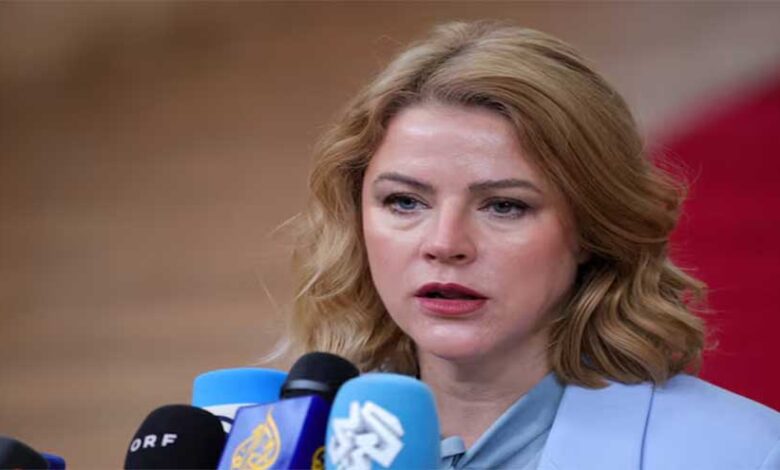
However, Prime Minister Evika Siliņa and President Edgars Rinkēvičs both opposed the move, emphasizing that remaining in the treaty is vital for Latvia’s international credibility and for strengthening women’s rights. The Prime Minister warned that the withdrawal could harm Latvia’s reputation within the European Union and weaken the country’s stance on human rights issues.
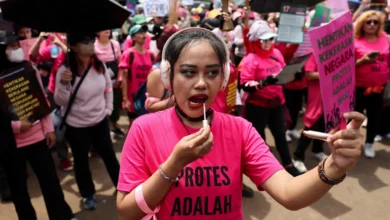
The decision has also sparked a strong public reaction. On the eve of the vote, around 5,000 people gathered in central Riga to protest against the withdrawal. Demonstrators held signs defending women’s rights and urging lawmakers to protect victims of gender-based violence. Addressing the crowd, Prime Minister Siliņa expressed disappointment over the political divide, saying, “This treaty represents our shared commitment to protect women. Turning away from it sends the wrong message — to our citizens and to the world.”
Opposition members and activists have criticized the decision as a setback for gender equality in Latvia. Andris Suvajevs, head of the parliamentary group of the liberal Progressives party, called the move a devastating blow to Latvia’s standing both within the EU and globally.
Latvia’s withdrawal follows a growing trend of resistance to the convention in parts of Europe. Turkey’s 2021 exit drew harsh criticism from the European Commission, and Poland’s previous right-wing government also considered leaving before reversing course under its current centrist leadership. Meanwhile, the Czech Republic narrowly failed to ratify the treaty last year despite having signed it in 2021.
Human rights organizations have expressed concern that Latvia’s withdrawal may encourage other conservative governments to follow suit, potentially weakening collective efforts to combat gender-based violence across the continent. As debates continue, one thing remains clear — the decision has opened deep divisions within Latvian society about the future of women’s rights, equality, and the nation’s role in upholding international human rights standards.