Health Minister Mustafa Kamal Urges Urgent Action to Address Maternal and Child Health Issues in Pakistan
Every year, 10,000 women die from pregnancy-related complications, says Kamal, stressing systemic reforms in healthcare

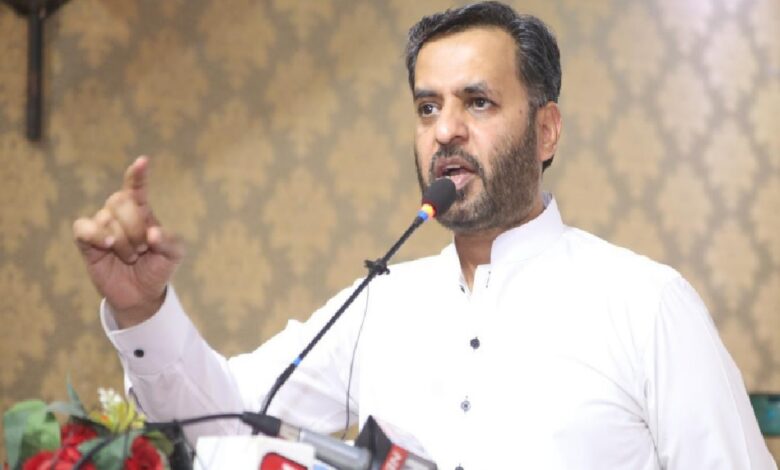
ISLAMABAD – Health Minister Mustafa Kamal has revealed alarming statistics, stating that every year, approximately 10,000 women in Pakistan lose their lives due to complications during pregnancy. Speaking at an event held in honor of World Health Day at the World Health Organisation (WHO) office, Kamal highlighted the scale of the silent tragedy unfolding across the country.
“These are silent tragedies happening across the country, with little to no public outcry,” said Kamal, underscoring the lack of national response to such a high rate of maternal mortality. He pointed out that if these deaths were caused by any other factor, the country’s response would be markedly different, emphasizing that no life should be lost due to maternal causes. “We cannot afford to lose even a single life due to maternal causes,” he stressed.
The minister called for urgent and collective efforts to address this public health crisis, stressing the importance of safeguarding every woman’s life during pregnancy. He remarked, “Every life is precious and must be protected. These women can be saved.”
Kamal also addressed the broader issues within Pakistan’s healthcare system, acknowledging its current weaknesses. “Pakistan’s health system is not in a healthy state. But we are hopeful that through systemic reforms, we can save lives. I do not consider this position a privilege, but a test. I want to pass this test with honesty and commitment,” he said.
In addition to maternal health, the minister drew attention to child stunting, a condition affecting 38% of children in Pakistan. This stunting, which impedes children’s growth and development, has long-term implications for the country’s future, threatening the potential of a significant portion of the nation’s youth. Kamal warned, “Without investing in the health and nutrition of our children today, our dreams of national progress will remain unfulfilled.”
Emphasizing the importance of WHO’s continued partnership, Kamal said that with its support, Pakistan is committed to making substantial progress in improving maternal and child health. He also pointed out that the health sector’s connection to human lives requires urgent action. “Mistakes in other fields may be corrected, but in health, the consequences are immediate and profound,” he added.
Reaffirming the government’s commitment, Kamal concluded by mentioning that Prime Minister Shehbaz Sharif has made healthcare reform a top national priority. “The prime minister is taking serious steps toward healthcare reform. Under his leadership, we are committed to delivering a stronger and more equitable healthcare system,” the minister said.
The minister’s remarks at the World Health Day event highlight the critical need for concerted action to address the maternal health crisis and child malnutrition, calling on all sectors of society to come together for meaningful change in Pakistan’s healthcare landscape.