Global Health Crisis: Maternal and Mental Health of Women in Conflict Zones Under Threat
WHO highlights alarming statistics on maternal and newborn health while women in conflict zones face increasing mental health struggles amidst violence and displacement

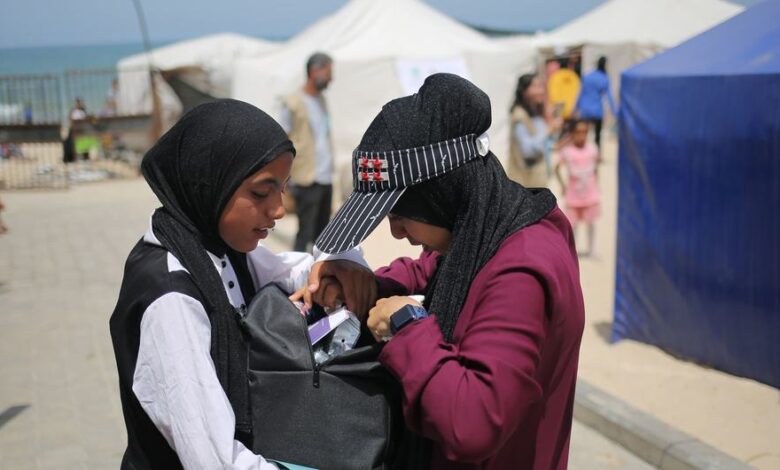
Every year, close to 300,000 women lose their lives during pregnancy or childbirth, with millions more babies dying shortly after birth, according to the World Health Organization (WHO). WHO has launched the Healthy Beginnings, Hopeful Futures campaign to combat preventable maternal and newborn deaths, urging governments to prioritize women’s health and well-being.
This year-long initiative aims to save lives through strategic actions, focusing on empowering healthcare professionals and providing vital information on healthy pregnancies, safe childbirth, and postnatal care. The campaign emphasizes the importance of providing high-quality, compassionate care and addressing women’s health needs before, during, and after childbirth. This includes addressing obstetric complications, mental health issues, non-communicable diseases, and family planning.
Women in Conflict Zones
At the same time, the number of women and girls affected by conflicts across the globe has reached alarming levels. Women now account for 40% of all civilian deaths in armed conflicts, with over 600 million women and girls living in conflict zones—a 50% increase since 2017. This has triggered a growing mental health crisis.
In war zones such as Afghanistan, Gaza, Georgia, and Ukraine, millions of women and girls are grappling with Post-Traumatic Stress Disorder (PTSD), anxiety, depression, and trauma. However, less than 2% of those affected receive the necessary mental health care. There is a stark contrast in mental health resources, with high-income countries having over 70 mental health workers per 100,000 people, compared to fewer than one per 100,000 in low-income countries.
In Gaza, for example, women living under siege face severe emotional distress, with 75% suffering from depression and many unable to sleep or find respite from nightmares. The situation is similarly dire in Afghanistan, where the return of the Taliban has stripped women of basic freedoms, worsening their mental health. In Georgia, displaced women report high rates of PTSD and anxiety, yet most are unable to access adequate care.
The Role of Mental Health in Recovery and Survival
Access to mental health services in conflict zones is critical for women’s survival, dignity, and recovery. Without appropriate care, the mental toll of conflict continues to devastate entire populations. Women in these regions are not only dealing with their own trauma but are often the primary caregivers for their families, compounding their mental health challenges.
The ongoing war in Ukraine has seen a 36% rise in gender-based violence, and with women shouldering increased care responsibilities, the risk of depression has surged. Displaced women are especially vulnerable, with many requiring counseling and trauma care but finding such services severely lacking.
The Need for Urgent Action
The current global health and humanitarian funding crisis is further exacerbating the situation. Countries like Jordan, Bangladesh, and Burundi are facing cuts to essential healthcare services for women and children, leaving millions without the care they need. In refugee camps, pregnant women are at risk of losing access to prenatal care and safe childbirth services, and children are going untreated for malnutrition.
UN Women and other humanitarian agencies are calling for governments to recognize mental health care as a critical need, not a luxury, and to invest in trauma care and psychosocial support as part of the humanitarian response. The mental health and survival of women and girls must be a priority, especially in conflict settings, to ensure they can recover, rebuild, and thrive in the aftermath of violence.
As conflicts continue to rage across the globe, the mental and physical health of women in these regions is in jeopardy. The international community must urgently scale up efforts to provide mental health support and ensure the safety and well-being of women and girls affected by violence. Without these efforts, the long-term consequences of conflict will continue to devastate entire generations.