Afghan Women Activists in Pakistan Face Deportation Threats: Calls Grow for Urgent International Protection
Afghan women’s rights defenders fear arrest, torture, or death if deported from Pakistan as Islamabad accelerates repatriation. Activists urge global intervention to save lives.

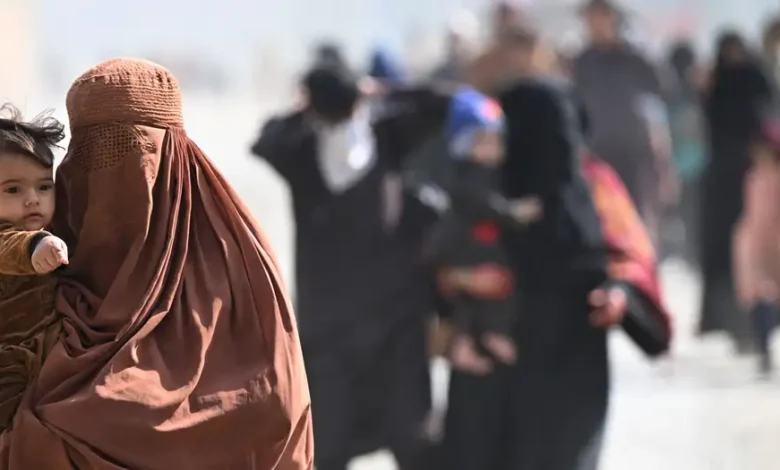
Zahra Mousavi, a 29-year-old Afghan women’s rights activist, fled to Pakistan in March 2022 after enduring months of protesting against Taliban oppression in Afghanistan. Today, she lives in hiding, fearing arrest and forced deportation back to a regime that has stripped women of their rights and voices.
Following the Taliban’s return to power in August 2021, Mousavi actively led street protests, amplifying the voices of Afghan women silenced by the regime. But with oppressive restrictions tightening—barring women from public life, education, and employment—Mousavi had no choice but to escape.
Now in Pakistan, she faces new challenges. Unable to afford the high cost of visas and grappling with Pakistan’s strict immigration policies, she was arrested on February 22, 2025. “Plain-clothed police raided my home, arrested me and my young daughter, and took us to a deportation detention camp. The conditions were horrific,” she said. They were released only after human rights groups intervened and guarantees were provided.
Mousavi’s story is not isolated. Many Afghan women activists are now hiding in Pakistan, fearing deportation. Jamila Ahmadi, 27, is another such activist. She said many of her fellow advocates have already been forcibly returned to Afghanistan, where their lives are at grave risk. “I worked for women’s capacity-building, reported Taliban crimes, and was affiliated with the National Directorate of Security. If sent back, I will be killed,” Ahmadi said.
The situation for these women became unbearable after Pakistan launched a massive repatriation campaign, aimed at returning nearly 4 million Afghans who crossed into the country over the last four decades. More than 800,000 Afghans have already been deported since late 2023, according to UNHCR.
Legal and human rights experts have condemned Pakistan’s actions. Osama Malik, a refugee lawyer in Islamabad, warned, “Sending activists back to the Taliban means subjecting them to torture, imprisonment, or worse. This is a violation of international human rights norms.”
The Pakistani government, however, has rejected accusations of targeting vulnerable groups. An unnamed official stated, “There is no special category for activists. Deportations are part of the ‘Illegal Foreigners Repatriation Plan.’ Pakistan alone cannot carry this burden. Other nations must help.”
The UNHCR voiced serious concerns for the safety of Afghans at risk, including women, journalists, artists, and minorities. “We urge Pakistan to offer protection, regardless of documentation status,” said Qaiser Khan Afridi, UNHCR spokesperson.
Maria Noori, a 34-year-old activist from Kabul now facing deportation, made a plea for international support. “Being sent back means facing death. We need immediate protection. The world must act,” she said.
Noori and others also face crippling economic hardship, lack of healthcare, and constant fear from extremist threats. Malik criticized Western countries for failing to offer asylum pathways, leaving these women trapped.
Without legal residency, employment, or security, Afghan women activists in Pakistan are at a breaking point. They urgently need global intervention to survive—and continue their fight for justice.