Pakistan’s Women Reporters Drop to Four Per Cent in 2025
GMMP findings reveal a dramatic decline in women’s visibility and voice in Pakistani newsrooms.

Pakistan’s media landscape witnessed a sharp regression in 2025 as the number of women reporters fell to just four per cent, a steep drop from 16 per cent in 2020, according to the Global Media Monitoring Project (GMMP). Shared by the Uks Research Centre, the finding underscores how progress on gender equality in newsrooms has not only stalled but reversed, mirroring a global slowdown across 94 countries.
The GMMP, conducted every five years, offers a one-day snapshot of global news content. For the fourth consecutive cycle, Uks served as Pakistan’s national partner, collecting and contributing data that reflects deep structural gaps in representation. The 2025 monitoring day fell on May 6, a day when India-Pakistan military tensions dominated headlines. The conflict-driven news cycle left almost no space for gender stories, resulting in an astonishing statistic: not a single woman reporter appeared in TV, radio, or digital news that day.
The overwhelming focus on cross-border shelling and political and military commentary not only eclipsed broader issues but contributed to the near-erasure of women’s contributions in the newsroom. Yet even beyond the conflict’s influence, long-term trends reveal entrenched biases that consistently limit women’s presence and participation in journalism across Pakistan.
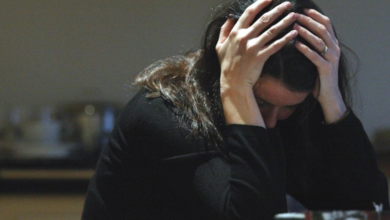
The situation was equally bleak in reporting on gender-based violence (GBV). Only one GBV-related story appeared across all monitored media on the designated day, centered on intimate partner violence and portraying the woman solely as a victim, with no human rights or legal lens applied. The absence of contextual reporting highlights a persistent problem: narratives about women often remain shallow, incomplete, and stripped of nuance.
The report further showed that women made up just 13 per cent of news subjects in 2025, a drop from 18 per cent in 2020. Every single story that included women as subjects was reported by men, revealing how editorial choices continue to shape whose voices are heard and whose stories are told. The only area that registered improvement was social and legal news, where women’s representation rose to 20 per cent from 14 per cent, still far from balanced but a rare positive indicator amid a sea of declines.
The global picture is equally stagnant. Women account for only 26 per cent of people seen or quoted in traditional news and 29 per cent in digital news, figures that have barely shifted in the last decade. News routines continue to prioritize male-dominated beats like politics and economics. Women’s presence improves slightly in these areas over time, but remains extremely low in sports, where they appear in just 15 per cent of content. Globally, women continue to be portrayed as victims at double the rate of men, with 2025 showing increased focus on domestic violence and crime. Women remain underrepresented as experts, though digital platforms show a slow rise in female expert voices. Stories produced by women journalists consistently showcase more women sources and incorporate stronger gender perspectives, underscoring how newsroom diversity directly influences output.
Despite urgent calls for change, less than two per cent of global news stories cover GBV, far too few to shift public discourse or influence perceptions meaningfully. The 2025 GMMP findings paint a sobering picture: progress has slowed to a crawl, and current strategies are failing to bring about meaningful improvement in gender equality in the news.
For Pakistan, the data signals an urgent need for structural reform, editorial introspection, and a renewed commitment to representation that goes beyond tokenism. Without women’s voices in newsrooms and in the stories that shape public opinion, the narrative remains incomplete, and the path to gender equality grows longer.