FAO Report Highlights Gender Gaps in Tajikistan’s Agriculture
Women lead Tajikistan’s farms but face unequal access to land, resources, and opportunities, FAO report reveals.

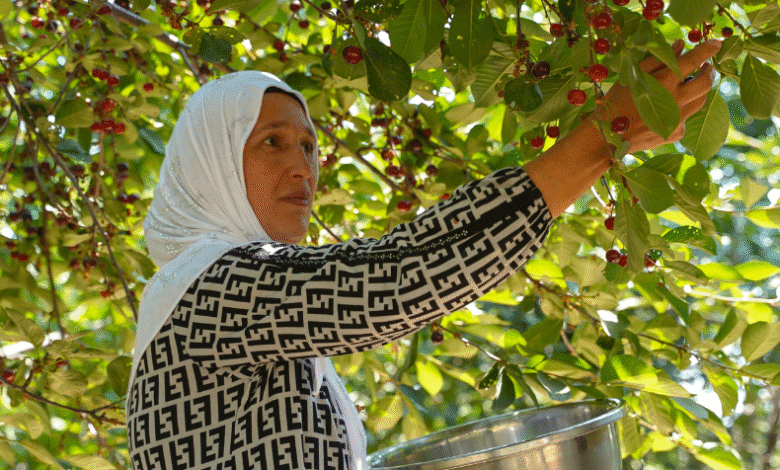
The Food and Agriculture Organization of the United Nations has released a comprehensive report titled National Gender Profile of Agriculture and Rural Livelihoods: Republic of Tajikistan, shedding light on the persistent gender inequalities that continue to shape the country’s agricultural and rural landscape. The report emphasizes that rural women, despite being the backbone of Tajikistan’s agricultural workforce, remain undervalued, underpaid, and often excluded from decision-making processes.
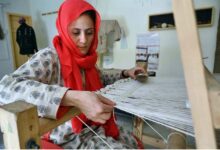
Over 71 percent of Tajikistan’s population lives in rural areas, with agriculture employing more than 60 percent of the workforce. However, widespread male outmigration has drastically changed the social and economic makeup of rural communities. Women have taken on the roles once held by men, managing farms, tending livestock, and ensuring household food security, yet their contributions remain largely unrecognized.
While women are the primary agricultural labor force, they head less than one-quarter of dehkan farms. The plots they manage are often smaller, restricting access to high-value crops and markets. Many women are involved in unpaid or seasonal work while also carrying the full burden of domestic responsibilities, leaving little time for training or leadership participation.
Limited access to essential farming resources such as quality seeds, fertilizers, credit, and modern machinery further weakens productivity on women-managed farms. Their lack of formal land ownership also prevents them from using land as collateral to secure loans or expand agricultural operations. Despite increased responsibilities due to male migration, women often have minimal control over remittances, further limiting their financial independence.
Women’s participation in water users’ associations remains low, reducing their ability to influence decisions that affect irrigation and farming outcomes. Additionally, poor infrastructure, limited healthcare, lack of childcare facilities, and restricted access to clean energy compound the challenges faced by rural women. The report also highlights the prevalence of domestic and community-based violence, with many women lacking access to legal aid and protection services.
FAO stresses that gender equality is vital for sustainable rural development and agricultural growth. The organization calls for more inclusive and gender-responsive policies that address both structural inequalities and sectoral weaknesses. Positive policy measures, such as Tajikistan’s National Strategy for the Activation of the Role of Women (2021–2030), mark progress, but significant gaps remain between policy intentions and real-world implementation.
The report provides clear recommendations for advancing gender equality in Tajikistan’s agriculture, including expanding women’s access to modern technologies, inputs, and finance, strengthening land ownership rights, investing in rural infrastructure, and ensuring better representation of women in producer groups and decision-making bodies.
FAO also urges improvements in gender-sensitive data collection, education, and legal literacy programs to empower women and promote sustainable agricultural practices. Addressing gender-based violence and ensuring safe working environments are also listed as key priorities.
The National Gender Profile of Agriculture and Rural Livelihoods will serve as a vital resource for policymakers, development partners, and civil society organizations working to enhance women’s roles in agriculture. It underscores that empowering rural women is not only a matter of fairness but also a driver of productivity, food security, and economic resilience across Tajikistan.