Pakistan’s First Female Train Driver Makes History
Nida Saleh becomes a symbol of empowerment, inspiring young women across the country


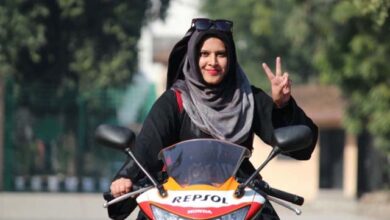
Nida Saleh, a transport engineer from Lahore, has broken barriers by becoming Pakistan’s first female train driver. Operating the Orange Line Train for the past eight months, Nida has not only made history but also inspired a wave of ambition among young women in the country. With a degree in transport engineering, she took a bold path not traditionally pursued by women in Pakistan.
Despite being from a business-oriented family, Nida decided to chart her own course. Her father initially encouraged her to leave the train industry and focus on the family business. However, Nida remained determined to create her own identity in a male-dominated field. Her journey began with a rigorous three-month training program under the guidance of Chinese experts. She admits the first experience of driving the train was nerve-wracking, but over time, her confidence and control grew.
What sets Nida apart is not just her groundbreaking role, but the impact she’s had on others. As she continues to operate the train, she’s become a symbol of what’s possible for women in Pakistan. Many young women, seeing her in action, have started showing interest in train operations and are now seeking the same training she once underwent. Her presence behind the controls of a high-tech, urban train has started to change the public perception of women’s roles in the transport sector.
Nida’s success hasn’t gone unnoticed by officials. Chief Minister Maryam Nawaz and Minister of Transport Bilal Akbar publicly congratulated her, describing her as a source of pride for the nation. Their support reflects a growing recognition of the importance of women’s participation in technical and public service sectors.
Her journey from a student of transport engineering to Pakistan’s first female train driver is a testament to what can be achieved with determination, skill, and resilience. Nida’s story not only highlights her personal success but also signals a cultural shift that encourages more women to break barriers and step into roles once thought impossible.