Global Funding Cuts Threaten Efforts to End Violence Against Women
UN Women report reveals alarming decline in women’s rights organizations and life-saving services due to aid reductions

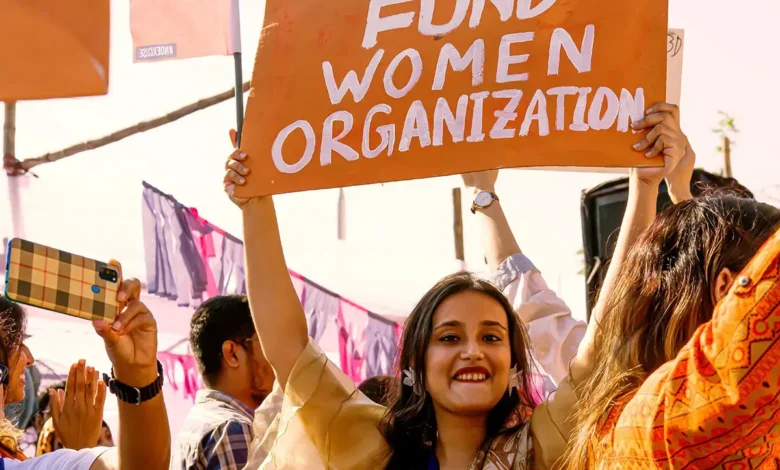
Sweeping cuts in international aid are dismantling organizations that play a vital role in ending violence against women and girls. A new UN Women report, At Risk and Underfunded, based on a global survey of 428 women’s rights and civil society groups, exposes the devastating impact of shrinking funds. As government support declines, services are closing, advocacy is weakening, and more women are being left without protection.
The report reveals that 34 percent of organizations have had to suspend or completely shut down their programs to combat gender-based violence. Over 40 percent have been forced to reduce or close essential services like shelters, legal aid, healthcare, and psychosocial support. This has left survivors more vulnerable than ever, with 78 percent of organizations reporting reduced access to crucial help. Furthermore, 59 percent have witnessed a growing sense of impunity, where violence is increasingly normalized.
Kalliopi Mingeirou, Chief of the Ending Violence Against Women and Girls section at UN Women, emphasized the urgency of the situation. She warned that women’s rights organizations are being “pushed to the brink” and urged governments and donors to safeguard and expand funding. Without consistent investment, she said, decades of progress could be erased, leading to an even greater rise in violence against women and girls.
The global scale of gender-based violence remains alarming, with an estimated 736 million women—nearly one in three worldwide—having experienced physical or sexual violence, most often from intimate partners. UN Women previously cautioned that most women-led organizations in crisis zones were already on the verge of closure, a concern now confirmed by the latest findings.
According to the report, only five percent of organizations believe they can continue operations for more than two years under current conditions. Eighty-five percent foresee serious setbacks in women’s rights laws and protections, while 57 percent express deep concern over rising threats to women human rights defenders.
These funding gaps come at a time when backlash against women’s rights is intensifying in one out of every four countries. With limited resources, many organizations have been forced to abandon advocacy efforts and focus solely on emergency services, slowing the momentum toward lasting change.
The At Risk and Underfunded report is released as the world marks the 30th anniversary of the Beijing Declaration and Platform for Action, a historic global commitment to achieving gender equality and eliminating violence against women. Yet, three decades later, progress is being reversed by financial and political challenges that threaten to undo hard-earned gains.
The report was produced under the Advocacy, Coalition Building, and Transformative Feminist Action (ACT) programme, a partnership between the European Union and UN Women, supported by the UN Trust Fund to End Violence against Women. It serves as one of the most comprehensive assessments of how global funding shortfalls are eroding the foundations of gender equality and human rights.
The ACT programme aims to amplify the voices of feminist movements and provide a united framework to combat gender-based violence. However, without urgent and sustained financial support, the world risks silencing the very movements that have been at the heart of progress for women and girls.
The findings stand as a powerful reminder that achieving gender equality requires more than promises—it demands investment, commitment, and protection for the organizations that defend the rights and safety of women worldwide.