Gender Snapshot 2025 Warns World Falling Behind on Equality, But Gains Within Reach
UN Women and UN DESA stress urgent investments as global progress on gender stalls ahead of 2030

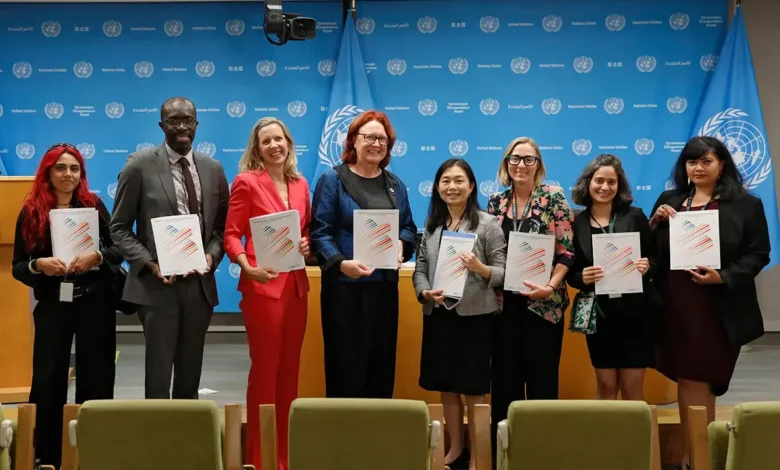
The world stands at a critical crossroads on gender equality, according to the newly released Gender Snapshot 2025 by UN Women and the UN Department of Economic and Social Affairs (UN DESA). The report, launched at UN Headquarters in New York on the sidelines of UNGA80, highlights both the cost of failing to act and the potential gains if governments invest now.
The report points to meaningful progress. Girls are more likely to finish school than ever before, and maternal mortality has fallen by nearly 40 percent between 2000 and 2023. Countries with comprehensive protections against gender-based violence have seen rates of intimate partner violence cut by more than half. Women’s participation in climate negotiations has doubled, and 99 discriminatory laws have been repealed or reformed in the past five years.
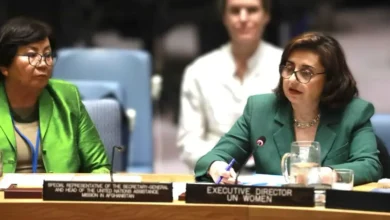
“Where gender equality has been prioritized, it has propelled societies and economies forward,” said Sima Bahous, Executive Director of UN Women. She underscored that closing the gender digital divide alone could lift 30 million women out of poverty by 2050 and add an estimated $1.5 trillion to global GDP by 2030.
But the report also warns of growing setbacks. If current trends persist, 351 million women and girls will still be trapped in extreme poverty by 2030. Today, 676 million women live within reach of deadly conflict, the highest figure since the 1990s. Food insecurity is hitting women harder, with 64 million more female adults than men experiencing moderate or severe hunger in 2024. A global backlash against women’s rights, shrinking civic space, and cuts in funding for gender equality programs are further eroding gains.
“Only five years remain to achieve the 2030 Agenda for Sustainable Development, with targets aimed at making gender equality a reality for all,” said Li Junhua, UN Under-Secretary-General for Economic and Social Affairs. “Accelerated action in areas such as care, education, labour markets, and social protection could lift 110 million women and girls from extreme poverty by 2050, unlocking $342 trillion in cumulative economic returns.”
Drawing on over 100 data sources, the Gender Snapshot 2025 remains the most comprehensive tracker of progress on gender across all 17 Sustainable Development Goals (SDGs). The findings show the world is off track to meet every single target under SDG5, the dedicated goal for gender equality.
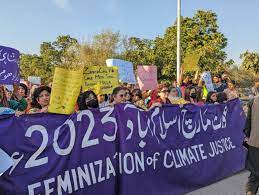
As leaders gather for UNGA80 and mark 30 years since the landmark Beijing Declaration and Platform for Action, the Beijing+30 Action Agenda offers a clear roadmap. It identifies six urgent priorities: freedom from poverty, zero violence, equal leadership, climate justice, peace and security, and full participation in the digital revolution. Central to these priorities is amplifying the voices of young women and girls.
“I encourage all leaders to make commitments and investments towards this,” Bahous urged. “We must choose a world where women’s rights are delivered at scale, and the returns are shared by all.”
UN Women emphasized that gender equality is not just a goal but a driver of peace, development, and prosperity. UN DESA reaffirmed its role in translating global commitments into national action, stressing that the window to act is closing fast.
The report’s message is clear: the costs of failure are immense, but the gains of equality are transformative. With just five years left to meet the SDGs, the choice before the world is urgent — invest in women and girls now or risk losing another generation of progress.