Islamabad to Host Afghan Dialogue on Peace and Stability
Afghan leaders and women activists to meet under Islamabad Process, aiming for cooperation and regional trust


ISLAMABAD: A major dialogue on regional peace and stability will take place later this month as Afghan leaders and women activists gather in Islamabad for discussions organized by the South Asian Strategic Stability Institute (Sassi) University. The event, scheduled for August 25 and 26, marks the first significant Pakistan-Afghanistan dialogue since the Taliban’s 2021 takeover of Kabul.
Dr. Maria Sultan, chairperson and director general of Sassi, explained that the dialogue is not intended to oppose the Taliban or any Afghan political faction but to provide a platform for Afghans to discuss their country’s challenges and explore common ground for peace. She stressed that the initiative, part of what is being called the Islamabad Process, aims to strengthen trust and stability in the region.
While the Taliban and other Afghan political groups have not been invited to this round, Dr. Sultan indicated that they could be included in future meetings. The closed-door session comes at a time when Pakistan and Afghanistan are making efforts to improve ties through revived bilateral mechanisms and diplomatic engagement.
Not all reactions have been supportive. Former U.S. envoy Zalmay Khalilzad criticized the initiative as “unwise” and “provocative,” claiming it included individuals who oppose the Taliban. However, Afghan leaders strongly defended the dialogue. Former parliamentarian Fawzia Koofi, who confirmed her participation, said regional engagement was vital for Afghanistan’s future. She emphasized that if Pakistan and other neighbors provide space for Afghans to hold discussions, it should be seen as a positive opportunity to build cooperation and trust.
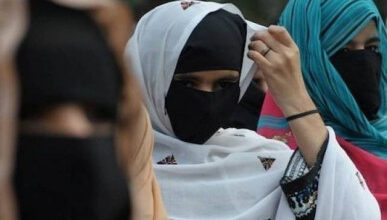
Koofi also highlighted the struggles of Afghan women, noting that they face one of the most difficult realities under current restrictions. She urged the international community and regional powers to support any platform that advances women’s rights and contributes to peace in Afghanistan. Responding to Khalilzad, she questioned whether criticism stemmed from reluctance to allow Afghans themselves to lead conversations about their destiny.
Dr. Sultan refrained from directly addressing Khalilzad’s remarks but pointed out the irony of his past engagement with the Taliban in Qatar while opposing an Afghan-led initiative aimed at inclusivity. She maintained that bringing diverse Afghan voices together should not be viewed as a threat.
Former special representative for Kabul, Ambassador Asif Khan Durrani, echoed the need for neutrality, advising Pakistan not to take sides in Afghanistan’s internal issues. He described the event as an academic exercise that could help foster a better understanding of Afghanistan’s political realities, provided its outcomes are shared transparently with the public.
The dialogue also comes against the backdrop of Pakistan’s ongoing concerns over security. Islamabad has repeatedly urged the Taliban to act against the banned Tehreek-i-Taliban Pakistan (TTP), which operates from Afghan soil and has carried out cross-border attacks. In July, Deputy Prime Minister Ishaq Dar secured Kabul’s assurances during his visit for the Pakistan-Uzbekistan-Afghanistan railway project, signaling both challenges and opportunities in bilateral ties.
As Islamabad prepares to host the two-day dialogue, organizers and participants remain hopeful that the event can serve as a first step toward inclusive discussions, regional cooperation, and the eventual restoration of stability and women’s rights in Afghanistan.